
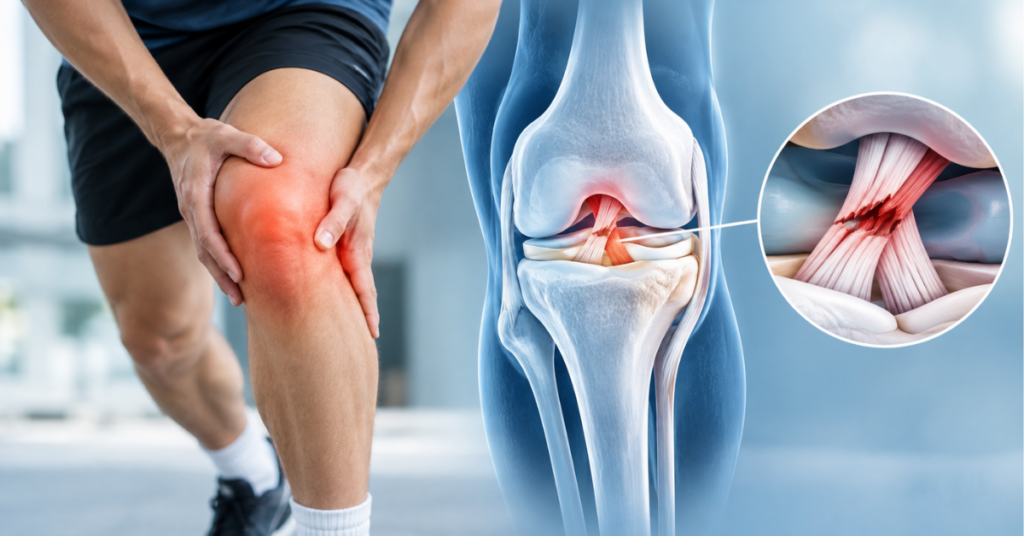
A tear of the anterior cruciate ligament (ACL) is a common knee injury, especially in sports with sudden stops, turns or jumps. While some people can continue to do daily activities after an ACL injury, if it is not treated, it can lead to ongoing instability and other problems of the knee. The right treatment will depend on the injury and activity level of the person.
Continued Knee Instability
The ACL helps to stabilize the knee joint during activity. The knee may feel loose or unstable, especially when turning or changing direction or walking on uneven surfaces. This instability can persist if the ligament fails to heal or the knee is not rehabilitated properly.
Multiple Episodes Of Giving Way
An ACL tear left untreated can cause the knee to ‘give way’ over and over again. These episodes can make everyday activities, exercise or sport difficult. And repetitive instability can add stress to other structures inside the knee.
Meniscus And Cartilage Injury Risk
An unstable knee that shifts repeatedly while moving can increase the stress on the meniscus and joint cartilage. More damage can occur particularly in those who return to strenuous physical activity without adequate treatment and rehabilitation.
Sports And Physical Education: Problems
Running, jumping, turning, or quickly changing direction may become difficult after an ACL tear. Some people will be able to adapt their activities but athletes or physically active people may have a harder time returning to their previous level without proper treatment.
When Should You Get Medical Evaluation?
If there is continued knee swelling, pain, instability or repeated giving-way episodes after an injury, an orthopedic evaluation is important. The doctor may test your knee for stability and order imaging, like an MRI, if needed. Treatment can then be planned based on the injury and individual goals.
Treatment Choices
Not all ACL tears require surgery. Treatment may involve rest, activity modification, physical therapy, strengthening exercises and rehab. If the knee is still unstable, especially if you want to get back to sports that involve a lot of turning or if you have other injuries, you might consider an ACL reconstruction. If reconstruction is recommended, a discussion about acl reconstruction surgery in indore with a qualified orthopedic specialist can help patients get an idea about the procedure, rehabilitation and expected recovery process.
FAQs
1. Is it possible to recover from an ACL tear without surgery?
Some ACL tears don’t need surgery, especially if the knee is stable and activity level demands are low. Nonsurgical treatment includes physical therapy and rehabilitation.
2. What happens if you ignore a torn ACL?
Untreated tears can lead to ongoing instability and subsequent recurrent episodes of giving way. These problems can put stress on other knee structures and may interfere with physical activities.
3. Walking With A Torn ACL Can You Walk?
Yes, people can walk after an ACL tear but may have pain, swelling or instability. You can walk, but that doesn’t mean you shouldn’t be hurt.
4. What is the diagnosis of a torn ACL?
Doctors will typically assess the symptoms, knee stability and mechanism of injury. An MRI might be advised to assess the ACL and rule out meniscus or cartilage injuries.
5. How long does ACL rehab take?
Recovery depends on the injury and treatment. Recovery following reconstruction often involves several months of rehabilitation, with a return to sport based on strength, stability, range of motion and medical advice.