
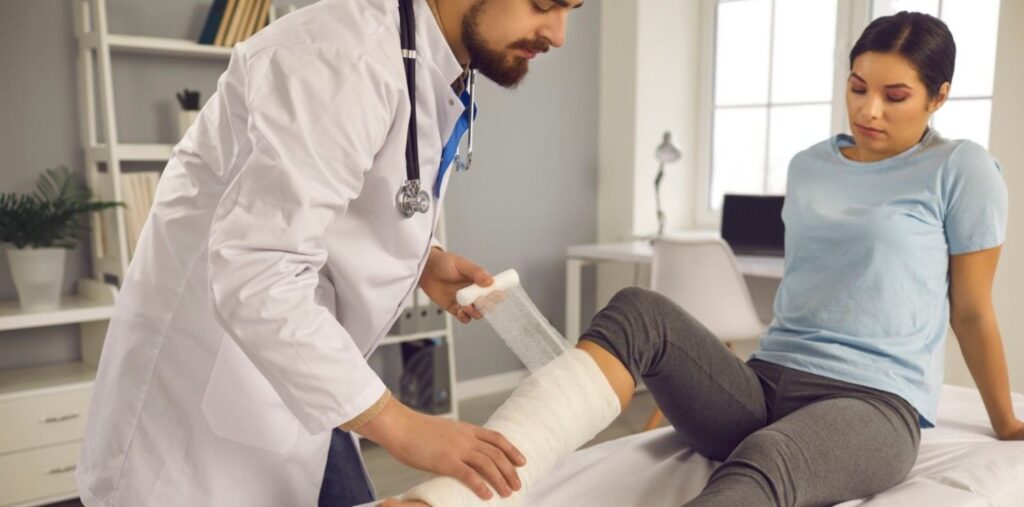
Chronic knee pain can make everyday activities difficult. Walking, climbing stairs, standing for long periods, and even getting out of bed may become uncomfortable. If knee pain continues for several weeks or keeps returning, it is important to identify the underlying cause. Consulting an experienced Orthopedic Doctor in Indore can help you understand your condition and find the right treatment.
Knee pain may develop because of osteoarthritis, previous injuries, ligament damage, cartilage problems, or inflammation. While some people experience mild discomfort, others may struggle with daily activities. Early diagnosis and appropriate treatment can help manage symptoms and protect knee function.
An orthopedic specialist evaluates the knee joint, identifies the source of pain, and recommends a treatment plan based on the patient’s condition. Let’s understand how an orthopedic doctor can help manage chronic knee pain.
What Is Chronic Knee Pain?
Chronic knee pain refers to discomfort that lasts for several weeks or months. It may affect one or both knees. The pain can remain constant or become worse during physical activities.
Some people experience stiffness after waking up. Others notice swelling, difficulty bending the knee, or discomfort while walking.
Common symptoms include:
- Persistent pain around or behind the kneecap.
- Swelling and inflammation.
- Stiffness after sitting or resting.
- Difficulty climbing stairs.
- Reduced knee movement.
- A clicking or grinding sensation.
- Weakness or instability while walking.
If these symptoms interfere with your routine, visiting an Orthopedic Doctor in Indore can help determine whether the problem requires medical treatment.
What Are the Common Causes of Chronic Knee Pain?
Understanding the cause of knee pain is the first step towards effective treatment. Several conditions can affect the knee joint.
1. Knee Osteoarthritis
Osteoarthritis is one of the common causes of long-term knee pain. It develops when the protective cartilage inside the joint gradually wears down.
As the cartilage becomes thinner, bones may experience increased friction. This can cause pain, stiffness, and reduced movement.
2. Ligament Injuries
Ligaments connect bones and provide stability to the knee. Injuries involving the ACL, PCL, or other ligaments can cause pain and instability.
These injuries may occur during sports, sudden movements, or accidents.
3. Meniscus Tears
The meniscus is a protective cartilage structure that absorbs shock between the thigh bone and shinbone. A tear can cause pain, swelling, and difficulty bending or straightening the knee.
4. Rheumatoid Arthritis
Rheumatoid arthritis is an autoimmune condition that causes joint inflammation. It may affect both knees and lead to stiffness, swelling, and discomfort.
5. Previous Knee Injuries
Old injuries may sometimes lead to recurring pain. Without proper rehabilitation, certain knee injuries can also affect joint movement and stability.
An experienced Orthopedic Doctor in Indore can assess these conditions and recommend suitable treatment.
How Does an Orthopedic Doctor Diagnose Chronic Knee Pain?
Before recommending treatment, an orthopedic doctor needs to understand why the knee hurts. A proper evaluation helps avoid unnecessary procedures and supports better recovery.
The diagnostic process may include:
1. Medical History
The doctor asks about the duration of pain, previous injuries, medical conditions, and activities that make symptoms worse.
2. Physical Examination
The specialist checks knee movement, swelling, tenderness, joint stability, and muscle strength.
3. Imaging Tests
Depending on the symptoms, the doctor may recommend:
- X-rays: To identify joint space narrowing, bone changes, and arthritis.
- MRI: To examine ligaments, cartilage, and other soft tissues.
- Blood Tests: To investigate possible inflammatory or autoimmune conditions when required.
An accurate diagnosis allows an Orthopedic Doctor in Indore to select a treatment approach that addresses the actual problem.
What Treatment Options Can Help Manage Chronic Knee Pain?
Treatment depends on the cause, severity, age, activity level, and overall health of the patient. Surgery is not always necessary. Many patients can manage their symptoms through non-surgical treatments.
1. Medication for Pain Management
Doctors may prescribe medicines to reduce pain and inflammation. The choice of medication depends on the patient’s medical history and existing health conditions.
Patients should avoid taking painkillers regularly without medical advice.
2. Physiotherapy and Knee Strengthening Exercises
Physiotherapy plays an important role in managing chronic knee pain. Strong muscles support the knee joint and improve stability.
A physiotherapist may recommend:
- Gentle knee bending exercises.
- Quadriceps strengthening.
- Hamstring stretching.
- Straight leg raises.
- Low-impact walking or cycling.
Exercises should be selected according to the patient’s condition. Avoid activities that increase pain or swelling.
3. Weight Management
Excess body weight increases pressure on the knee joints. Even gradual weight reduction can help decrease joint stress.
A balanced diet and suitable physical activity can support better knee health. Your doctor can help you choose activities that are safe for your condition.
4. Knee Injections
In certain cases, an orthopedic specialist may recommend injections to manage knee pain.
Depending on the diagnosis, options may include corticosteroid injections or other selected treatments. Their benefits and limitations vary between patients.
5. Knee Support and Lifestyle Changes
Knee braces or walking supports may help selected patients. Doctors may also recommend avoiding prolonged standing, reducing high-impact activities, and taking regular movement breaks.
These small changes can make daily activities more comfortable.
When Is Knee Replacement Surgery Necessary?
Some patients continue to experience severe knee pain despite medication, physiotherapy, and lifestyle changes. In such cases, knee replacement surgery may be considered.
It is generally recommended when:
- Knee pain affects everyday activities.
- Walking becomes increasingly difficult.
- Joint stiffness limits normal movement.
- X-rays show significant joint damage.
- Non-surgical treatments no longer provide sufficient relief.
During knee replacement surgery, the damaged joint surfaces are replaced with artificial components. The goal is to reduce pain and improve joint function.
An experienced Orthopedic Doctor in Indore evaluates the patient’s condition before recommending surgery. The decision depends on symptoms, examination findings, imaging results, and the patient’s expectations.
Dr. Aditya Lakhotia provides orthopedic care, including knee pain treatment, knee replacement, and robotic-assisted joint replacement procedures. The most suitable approach depends on individual medical needs.
How Can You Prevent Chronic Knee Pain from Getting Worse?
Although not every knee condition can be prevented, healthy habits may help protect your joints and maintain mobility.
Consider these practical steps:
- Stay Physically Active: Choose suitable low-impact activities to maintain joint movement.
- Maintain a Healthy Weight: Reducing excess weight can decrease pressure on your knees.
- Strengthen Leg Muscles: Strong thigh and hip muscles help support knee movement.
- Avoid Overtraining: Increase exercise intensity gradually.
- Wear Comfortable Footwear: Choose shoes that provide suitable support.
- Do Not Ignore Persistent Pain: Seek medical advice instead of repeatedly treating symptoms yourself.
Consistency is important. Small improvements in daily habits can support long-term joint health.
Why Consult Dr. Aditya Lakhotia for Knee Pain Treatment in Indore?
Choosing the right orthopedic specialist is an important step when dealing with persistent knee pain. Patients should look for a doctor who understands their condition, explains treatment choices, and considers both surgical and non-surgical options.
Dr. Aditya Lakhotia is an orthopedic surgeon in Indore with experience in joint replacement, sports injuries, trauma care, and other orthopedic conditions. His qualifications include MBBS, D. Ortho, DNB Orthopedics, and advanced fellowship training.
His treatment approach focuses on accurate diagnosis, personalized care, and helping patients improve their mobility.
If you are experiencing persistent knee pain, consulting an Orthopedic Doctor in Indore can help you understand your condition and take the next step towards better joint health.
Book an appointment with Dr. Aditya Lakhotia:
- Website: https://hipandkneeortho.com/
- Phone: +91 90087 31715
- Phone: +91 91687 61066
Conclusion
Chronic knee pain should not be ignored, especially when it starts affecting your daily routine. Conditions such as osteoarthritis, ligament injuries, and cartilage damage require proper evaluation.
The right combination of medication, physiotherapy, lifestyle changes, and, when necessary, surgery can help manage symptoms and improve mobility. Consulting an experienced Orthopedic Doctor in Indore is an important step towards understanding the cause of your knee pain and finding suitable treatment.
FAQs
1. When should I consult an orthopedic doctor for chronic knee pain?
You should consult an orthopedic doctor if knee pain continues for several weeks, keeps returning, or affects walking, climbing stairs, and other daily activities. Early evaluation can help identify the underlying cause.
2. Can chronic knee pain be treated without surgery?
Yes. Many cases of chronic knee pain can be managed without surgery. Treatment may include medication, physiotherapy, weight management, activity modification, and selected injections. The approach depends on the severity of the condition.
3. What is the most common cause of chronic knee pain?
Osteoarthritis is a common cause, particularly among older adults. Other causes include ligament injuries, meniscus tears, inflammation, and previous knee injuries.
4. Which exercises are helpful for chronic knee pain?
Gentle quadriceps strengthening, straight leg raises, hamstring stretches, and low-impact activities may help improve knee strength and mobility. However, exercises should be selected according to your diagnosis and physical ability.
5. Does every patient with severe knee pain need knee replacement surgery?
No. Severe knee pain does not automatically mean surgery is necessary. Doctors first assess joint damage, symptoms, and previous treatments. Knee replacement may be considered when significant joint damage causes persistent pain and other treatments are no longer effective.
For More Information, Visit Now: https://share.google/7Gu44TxWRlP5NoXA4