
A ligament injury can affect your ability to walk, exercise, work, or enjoy everyday activities. While some ligament injuries improve with rest and physiotherapy, others may require surgical treatment. If you are experiencing repeated knee instability, pain, swelling, or difficulty returning to normal activities, Ligament Surgery in Indore may be an option worth discussing with an orthopaedic specialist.
Ligament surgery is not automatically required for every tear. The right treatment depends on the type and severity of the injury, your activity level, knee stability, age, and whether other structures such as the meniscus or cartilage are also damaged. A proper clinical examination and imaging can help determine the most suitable approach.
What Is a Ligament Injury?
Ligaments are strong bands of tissue that connect bones and help keep a joint stable. In the knee, the anterior cruciate ligament (ACL), posterior cruciate ligament (PCL), medial collateral ligament (MCL), and lateral collateral ligament (LCL) play important roles in controlling movement and stability.
A ligament can be stretched, partially torn, or completely torn. Sports such as football, cricket, basketball, and badminton can place significant stress on the knee. Sudden twisting, awkward landings, falls, or direct impact can also cause ligament injuries.
Symptoms may include:
- Knee pain after an injury
- Swelling around the joint
- A popping sensation at the time of injury
- Difficulty putting weight on the leg
- Reduced range of motion
- A feeling that the knee may give way
- Repeated episodes of instability during activity
If these symptoms continue, it is important to get the knee evaluated rather than continuing activities that may worsen the injury.
When Should You Consider Ligament Surgery in Indore?
Not every ligament tear needs surgery. However, surgery may be considered when the injury causes significant instability or affects your desired level of activity.
1. You Have a Complete ACL Tear
A complete ACL tear can cause ongoing instability, particularly during movements involving turning, pivoting, or sudden changes in direction. Some people with complete tears can manage daily activities without surgery, but active individuals may have difficulty returning to sports or physically demanding work.
According to the American Academy of Orthopaedic Surgeons, active adults involved in pivoting sports, heavy manual work, or activities that require cutting and turning may benefit from considering ACL reconstruction.
2. Your Knee Keeps Giving Way
Repeated knee instability is one of the important signs that should not be ignored. When the knee repeatedly buckles or gives way, it can make everyday movements difficult.
Chronic instability can also place additional stress on other parts of the knee. ACL injuries may occur along with meniscus or cartilage damage, and ongoing instability can increase the risk of further knee problems.
If instability continues despite appropriate rehabilitation, Ligament Surgery in Indore may be discussed as part of your treatment plan.
3. You Want to Return to Sports
If you are an athlete or regularly participate in sports that involve jumping, pivoting, running, or sudden direction changes, knee stability is especially important.
Physiotherapy can help improve strength, balance, and movement control. However, some patients with significant ligament instability may not be able to safely return to their previous activity level without reconstruction.
The decision should be based on your individual goals rather than age alone. Current orthopaedic guidance emphasizes activity level, knee stability, associated injuries, and overall patient factors when considering ACL surgery.
4. You Have Other Knee Injuries Along With the Ligament Tear
A ligament tear does not always occur alone. It can be associated with a meniscus tear, cartilage injury, or damage to another ligament.
When multiple structures are injured, surgical treatment may become more appropriate. A detailed examination and MRI can help identify the extent of damage and guide treatment planning.
5. Non-Surgical Treatment Has Not Improved Your Symptoms
Many partial ligament injuries and selected ACL injuries can initially be managed with physiotherapy, activity modification, and other conservative measures.
However, if you complete an appropriate rehabilitation program and still experience significant instability or difficulty performing important activities, your orthopaedic specialist may discuss surgical options.
Surgery should therefore not be viewed as the first or only treatment. It is one part of a broader treatment decision.
How Is Ligament Surgery Performed?
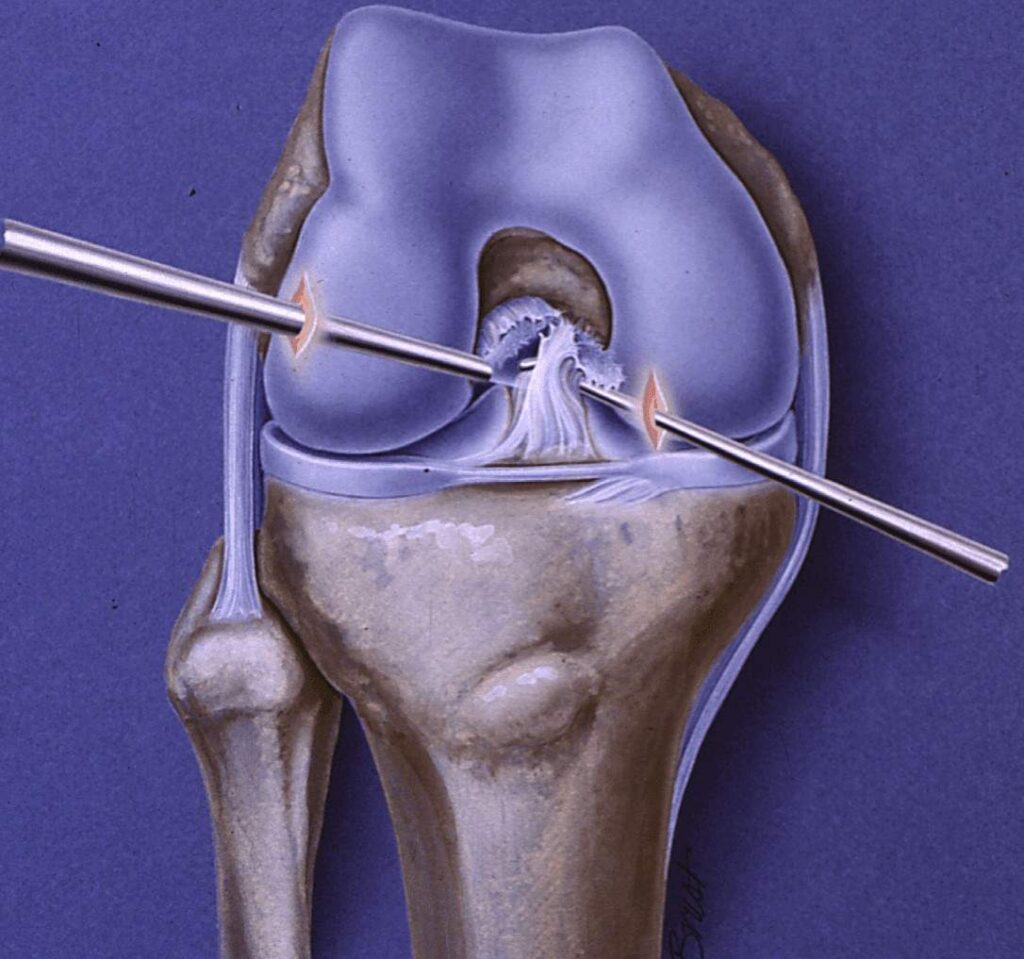
For many ACL injuries that require surgery, reconstruction is commonly performed rather than simply stitching the torn ligament. During reconstruction, the damaged ligament is replaced with a tendon graft. The graft may come from the patient’s own body or, in selected situations, from donor tissue.
The exact surgical technique depends on the ligament involved, injury pattern, patient age, activity level, associated injuries, and other individual factors.
Your orthopaedic surgeon can explain which procedure is appropriate after evaluating your knee.
What Happens Before and After Ligament Surgery?
A successful outcome involves more than the surgery itself. Before surgery, your doctor may recommend exercises or physiotherapy to improve knee movement, reduce swelling, and strengthen the muscles around the joint.
After surgery, rehabilitation is essential. A structured physiotherapy program helps restore movement, muscle strength, balance, and functional stability.
Your return to sports or demanding physical activity should be gradual. Returning too quickly may increase the risk of reinjury.
Why Choose Expert Ligament Treatment in Indore?
Choosing the right treatment starts with an accurate diagnosis. A specialist should assess your symptoms, physical examination findings, imaging reports, activity requirements, and long-term goals before recommending surgery.
If you are searching for Ligament Surgery in Indore, consult an experienced orthopaedic specialist who can explain both surgical and non-surgical options. The goal is not simply to treat the tear. It is to restore knee stability and help you return to the activities that matter to you.
Conclusion
A ligament injury does not always mean you need surgery. However, persistent instability, a complete ACL tear, difficulty returning to sports, associated meniscus or cartilage injuries, or unsuccessful conservative treatment may make surgery worth considering.
Ligament Surgery in Indore should always be planned after a detailed assessment of your knee and your individual needs. Early evaluation can help identify the severity of the injury and prevent you from continuing activities that may aggravate the condition.
If you have persistent knee pain, swelling, or instability after a ligament injury, consult Dr. Aditya Lakhotia for an appropriate evaluation and personalized treatment plan. The right diagnosis and timely treatment can help you move toward a stronger and more stable knee.
For More Information, Visit Now: https://share.google/7Gu44TxWRlP5NoXA4