
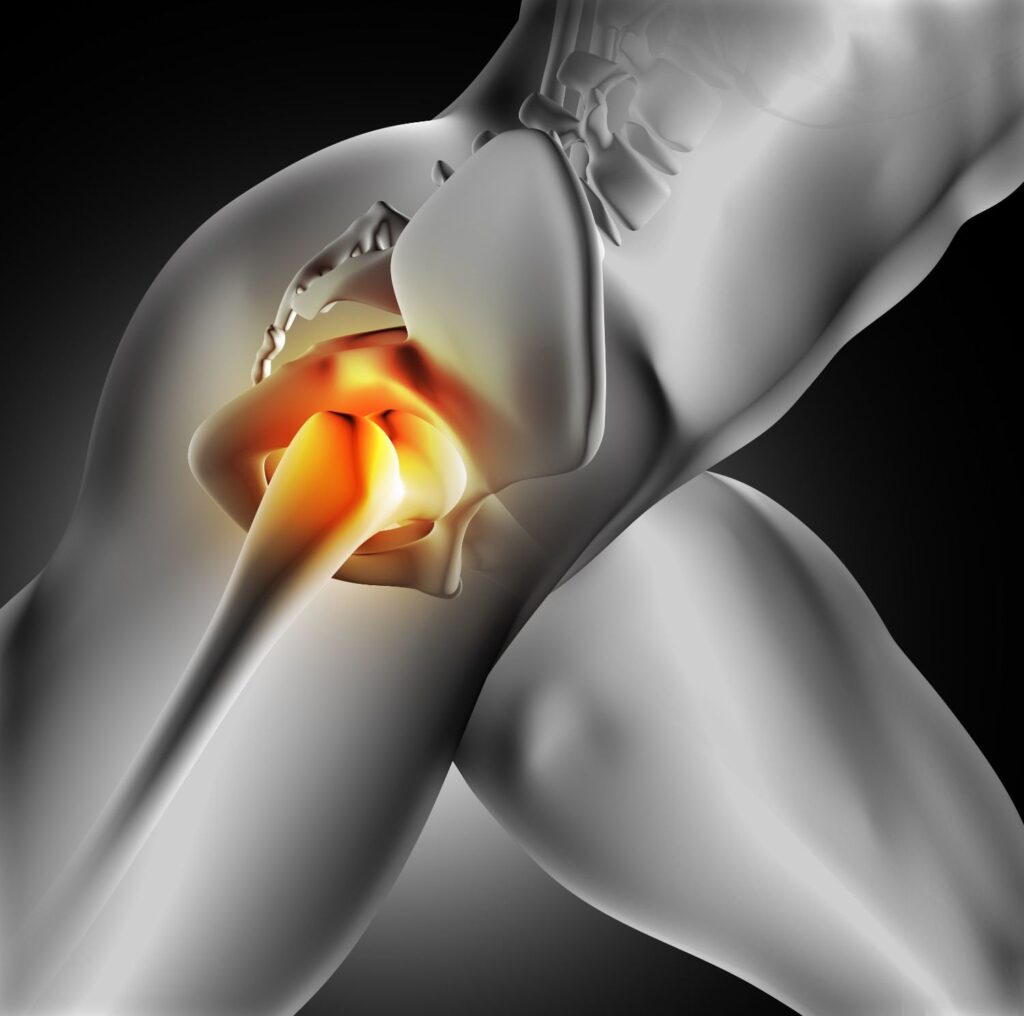
Hip pain can make everyday activities difficult. Simple tasks, such as walking, climbing stairs, or getting out of bed, may become uncomfortable. If these problems continue, you may need an orthopaedic evaluation. Hip Replacement Surgery in Indore may be an option when severe hip joint damage causes persistent pain and other treatments no longer provide enough relief.
However, not every case of hip pain requires surgery. Arthritis, injuries, and other medical conditions can cause similar symptoms. Therefore, an accurate diagnosis is essential before deciding on treatment.
Dr. Aditya Lakhotia helps patients understand their hip problems and explore suitable treatment options. Recognising the warning signs early can help you seek timely medical advice and protect your mobility.
1. Persistent Hip Pain That Does Not Improve
Persistent hip pain is one of the most common signs of significant joint damage. The pain may begin gradually and become more noticeable over time.
At first, you might feel discomfort after walking for a long distance. Later, the pain may occur during routine activities or even while resting.
Common signs include:
- Pain in the hip or groin area
- Discomfort while standing or walking
- Pain when getting up from a chair
- Difficulty sleeping because of hip pain
- Pain that returns despite treatment
Osteoarthritis is a common cause of long-term hip pain. It gradually damages the cartilage that helps the joint move smoothly.
If medication, physiotherapy, and lifestyle changes no longer provide sufficient relief, your doctor may discuss Hip Replacement Surgery in Indore as a treatment option.
2. Difficulty Walking or Climbing Stairs
Healthy hip joints help support your body while you walk, stand, and move. When the joint becomes damaged, these activities may become increasingly difficult.
You may notice that you walk more slowly or need frequent breaks. Climbing stairs may also cause pain, particularly when putting weight on the affected leg.
Some people begin using a walking stick or holding onto furniture for support. Others avoid walking because they are worried about triggering pain.
These changes can affect independence and quality of life.
An orthopaedic specialist can assess your walking pattern, joint movement, and pain levels. If severe joint damage is responsible, Hip Replacement Surgery in Indore may help reduce pain and improve everyday mobility.
3. Hip Stiffness and Reduced Range of Motion
Hip stiffness can make ordinary movements uncomfortable. You may find it difficult to bend, rotate your leg, or sit comfortably for long periods.
Stiffness is often more noticeable after waking up or sitting without moving for some time.
You might also struggle with activities such as:
- Putting on socks and shoes
- Getting into or out of a car
- Bending to pick something up
- Sitting down on a low chair
- Turning your leg while walking
These symptoms may develop when cartilage wears down or the joint becomes inflamed.
A doctor can examine your hip movement and determine whether arthritis or another condition is causing the stiffness. Treatment depends on the severity of the damage and its effect on your daily life.
4. Pain That Continues at Night or During Rest
Hip pain that interferes with sleep deserves attention. You may experience discomfort when lying on the affected side or changing positions in bed.
As joint damage progresses, pain may occur even when you are not walking or standing.
Poor sleep can affect your energy, mood, and ability to manage daily responsibilities. It may also make existing discomfort feel more difficult to tolerate.
If hip pain regularly wakes you up or prevents comfortable sleep, consult an orthopaedic specialist.
Although night pain does not automatically mean you need surgery, it can indicate a problem that requires further investigation. Your doctor may recommend imaging and discuss whether Hip Replacement Surgery in Indore is appropriate.
5. Painful Grinding or Clicking Sensations
Some people notice clicking, grinding, or unusual sensations when moving their hip. These symptoms can occur for several reasons, including tendon movement or changes within the joint.
A grinding sensation accompanied by pain and stiffness may be associated with joint damage. However, painless clicking alone does not necessarily indicate a serious problem.
Pay attention if these sensations occur alongside:
- Increasing pain
- Reduced hip movement
- Difficulty bearing weight
- A noticeable limp
- Worsening stiffness
An examination can help identify the underlying cause. Your doctor may also recommend an X-ray to assess the joint structure.
Treatment should focus on the actual problem rather than the sound alone.
6. A Limp or Changes in Your Walking Pattern
When one hip becomes painful, you may unconsciously change the way you walk. For example, you might put less weight on the affected leg or lean to one side.
This change can develop gradually. Family members may notice it before you do.
A persistent limp can affect balance and place additional strain on other parts of the body. It may also make walking longer distances more difficult.
An orthopaedic assessment can help determine whether the limp results from hip arthritis, muscle weakness, an injury, or another condition.
If severe hip damage is affecting your ability to walk despite appropriate treatment, your doctor may discuss surgical options, including Hip Replacement Surgery in Indore.
7. Difficulty Performing Everyday Activities
One important sign of advanced hip joint problems is a loss of independence.
You may begin avoiding activities that were previously easy. Shopping, household chores, travelling, or spending time outdoors may become painful.
You might also need help with dressing, bathing, or getting up from a chair.
When hip pain consistently interferes with your daily routine, it is important to seek medical advice.
Hip replacement is generally considered when pain and disability significantly affect quality of life and non-surgical treatments have not helped enough.
The decision depends on your symptoms, examination findings, imaging results, overall health, and personal goals.
8. Hip Pain Caused by Arthritis or Previous Injury
Several conditions can damage the hip joint and eventually lead to a discussion about replacement surgery.
These include:
Osteoarthritis: The protective cartilage gradually wears down, causing pain, stiffness, and reduced movement.
Rheumatoid arthritis: This inflammatory condition can damage the joint and affect mobility.
Previous hip injury: Some fractures or serious injuries can lead to long-term joint problems.
Avascular necrosis: Reduced blood supply can damage bone tissue and cause the hip joint to deteriorate.
The appropriate treatment varies according to the condition and its severity. Some patients benefit from medication, physiotherapy, activity modification, or other treatments.
However, when the joint is severely damaged, Hip Replacement Surgery in Indore may be recommended after a thorough evaluation.
When Should You Consider Hip Replacement Surgery in Indore?
You should consider an orthopaedic consultation if hip pain is persistent, keeps returning, affects your sleep, or limits your ability to walk.
Your doctor will review your symptoms and medical history. A physical examination can assess joint movement, strength, and walking ability. X-rays may help show the extent of joint damage.
Treatment usually begins with suitable non-surgical options when appropriate. These may include physiotherapy, activity changes, weight management, and prescribed medication.
If these measures do not provide sufficient relief, the doctor may discuss the benefits and risks of surgery.
Hip replacement involves replacing damaged parts of the joint with artificial components. The goal is to relieve pain and improve function. Recovery usually involves rehabilitation and a gradual return to everyday activities.
Surgery is not necessary for everyone with hip pain. The decision should be made with an orthopaedic specialist after considering your individual condition.
Conclusion
Hip pain, stiffness, difficulty walking, night-time discomfort, and reduced independence can indicate significant hip joint problems. These symptoms should not be ignored, especially when they continue despite treatment.
Hip Replacement Surgery in Indore may be suitable for patients with severe joint damage whose daily lives are affected by persistent pain and limited movement. However, an accurate diagnosis is essential before choosing surgery.
Dr. Aditya Lakhotia can help patients understand their symptoms, explore appropriate treatment options, and determine whether hip replacement is suitable for their condition. Early evaluation can help you make informed decisions about your mobility and long-term joint health.
Frequently Asked Questions
1. What is the most common sign that I may need hip replacement surgery?
Persistent hip pain that limits walking, sleep, or everyday activities is a common warning sign. Surgery may be considered when the joint is severely damaged and other treatments have not helped enough.
2. Does every patient with hip arthritis need hip replacement surgery?
No. Many patients manage hip arthritis with exercise, physiotherapy, medication, and lifestyle changes. Surgery is generally considered when symptoms significantly affect daily life despite appropriate treatment.
3. Can difficulty walking indicate serious hip joint damage?
Yes, it can. Difficulty walking may result from arthritis, an injury, muscle weakness, or other conditions. An orthopaedic examination can help identify the cause.
4. How does a doctor determine whether hip replacement is necessary?
The doctor reviews your symptoms, medical history, physical examination, and imaging results. The decision also considers how much pain affects your daily activities and whether other treatments have been effective.
5. How long does recovery from hip replacement surgery take?
Recovery varies depending on your health, the type of surgery, and your rehabilitation progress. Many patients begin walking with assistance soon after surgery, but returning to usual activities can take several weeks to a few months. Following your surgeon’s and physiotherapist’s instructions is important.
For More Information, Visit Now: https://share.google/7Gu44TxWRlP5NoXA4