
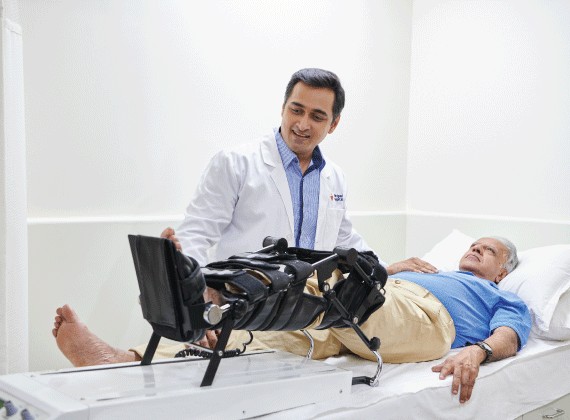
Joint pain can make everyday activities difficult. Walking, climbing stairs, standing for long periods, and even sleeping may become uncomfortable. When medication and other treatments no longer provide relief, joint replacement surgery may be an option. Consulting the Best Orthopedic Doctor in Indore can help you understand the cause of your pain and choose the right treatment.
Joint replacement surgery is commonly performed to treat severe damage to the hip or knee. It involves replacing damaged joint surfaces with artificial components to reduce pain and improve movement. However, surgery is not necessary for everyone with joint pain. The decision depends on your symptoms, joint condition, overall health, and response to non-surgical treatment.
What Is Joint Replacement Surgery?
Joint replacement surgery, also called joint arthroplasty, involves removing damaged portions of a joint and replacing them with artificial components. These components are designed to support movement and improve joint function.
Hip and knee replacements are among the most common procedures. They are often recommended for people with advanced arthritis or significant joint damage.
The main goals of joint replacement surgery are to:
- Reduce persistent joint pain.
- Improve walking and everyday movement.
- Correct certain joint deformities.
- Help patients regain independence.
- Improve overall quality of life.
The results vary from person to person. Your orthopedic doctor will explain the likely benefits and limitations based on your condition.
When Is Joint Replacement Surgery Recommended?
Joint replacement is usually considered when joint damage causes significant pain and disability, and other suitable treatments have not worked.
1. Severe Osteoarthritis
Osteoarthritis occurs when the protective cartilage covering the ends of bones gradually wears away. This can cause pain, stiffness, swelling, and reduced movement.
In advanced cases, the joint may become painful even during rest. Walking short distances or performing routine household activities may also become difficult.
When these symptoms significantly affect daily life, an orthopedic doctor may recommend joint replacement after assessing the joint and reviewing previous treatments.
2. Persistent Pain Despite Treatment
Many patients initially benefit from non-surgical treatments. These may include medication, physiotherapy, activity modification, and weight management.
However, some people continue to experience severe pain despite following their treatment plan.
If pain persists and interferes with daily activities, a consultation with the Best Orthopedic Doctor in Indore can help determine whether surgery is appropriate.
Continuing ineffective treatments for too long may prolong discomfort. The timing of surgery should be discussed according to individual needs.
3. Difficulty Walking or Climbing Stairs
Joint problems can affect mobility gradually. You may notice difficulty standing up from a chair, climbing stairs, walking outside, or getting in and out of a vehicle.
Some patients begin avoiding social activities because movement has become uncomfortable.
When reduced mobility affects independence and quality of life, joint replacement may be considered. An orthopedic assessment helps identify whether the problem is caused by joint damage or another condition.
4. Advanced Hip Joint Damage
Hip replacement may be recommended when the hip joint is severely damaged by osteoarthritis, certain fractures, or avascular necrosis.
Avascular necrosis occurs when reduced blood supply damages bone tissue. Over time, the affected bone may weaken or collapse, leading to joint damage.
Common symptoms include groin pain, stiffness, difficulty putting on footwear, and discomfort while walking.
If these symptoms worsen and other suitable treatments are ineffective, hip replacement may provide meaningful pain relief and improve mobility.
5. Severe Knee Arthritis or Deformity
Advanced knee arthritis can cause persistent pain, swelling, stiffness, and difficulty bearing weight. Some people also develop bowing of the legs or other changes in knee alignment.
A knee replacement may be considered when the joint is significantly damaged and daily activities are restricted.
An orthopedic doctor will assess your symptoms, physical examination findings, and X-rays before recommending surgery. Not every person with knee arthritis needs a replacement.
What Symptoms Suggest You Should Consult an Orthopedic Doctor?
You should consider an orthopedic consultation if you experience:
- Frequent hip or knee pain that limits movement.
- Stiffness that makes bending or straightening difficult.
- Pain that disrupts sleep or occurs at rest.
- Difficulty walking even short distances.
- Repeated swelling or reduced joint function.
- Increasing dependence on walking aids.
- Progressive changes in joint shape or alignment.
These symptoms do not automatically mean you need surgery. They indicate that your joint condition may require further assessment.
Are There Alternatives to Joint Replacement Surgery?
Yes. Surgery is not always the first treatment option. Depending on the severity and cause of your condition, your doctor may recommend:
Medication: Appropriate pain-relieving or anti-inflammatory medicines may help control symptoms. These should be used under medical guidance.
Physiotherapy: Specific exercises can improve muscle strength, flexibility, balance, and joint support.
Weight management: Maintaining a suitable weight can reduce stress on weight-bearing joints, particularly the knees and hips.
Activity modification: Adjusting activities and choosing low-impact exercise may reduce discomfort.
Walking aids: A cane or other suitable aid may improve stability and make walking easier.
These treatments can help many patients. However, if advanced joint damage continues to cause substantial pain and disability, joint replacement may be a reasonable next step.
How Does an Orthopedic Doctor Decide Whether Surgery Is Necessary?
The decision involves more than looking at an X-ray. Your doctor will consider several factors.
Medical History and Physical Examination
The doctor will ask about your pain, previous treatments, walking ability, and the effect of symptoms on daily life. The examination may assess joint movement, tenderness, strength, stability, and alignment.
Imaging and Other Tests
X-rays can help identify joint-space narrowing, bone changes, and deformity. Additional investigations may be recommended when needed to clarify the diagnosis or plan treatment.
Overall Health and Surgical Readiness
Conditions such as diabetes, heart disease, and other medical problems may affect surgical planning and recovery. Your doctor may recommend medical evaluation and steps to reduce preventable risks.
The Best Orthopedic Doctor in Indore should discuss the expected benefits, possible complications, alternative treatments, and rehabilitation requirements before surgery is planned.
What Should You Expect After Joint Replacement Surgery?
Recovery depends on the type of procedure, your general health, and the condition of your muscles and joints before surgery.
Most patients begin guided movement and rehabilitation soon after surgery, when medically appropriate. Physiotherapy helps improve strength, flexibility, balance, and walking ability.
You may initially need a walker or another walking aid. Your rehabilitation team will guide you on wound care, exercises, pain management, and gradually returning to daily activities.
Recovery takes time, and progress differs between individuals. Following medical advice and attending rehabilitation sessions can support a safer recovery.
Joint replacement also carries risks, including infection, blood clots, stiffness, implant-related problems, and the possibility of further surgery. Your surgeon will explain which risks are relevant to you.
Conclusion
Joint replacement surgery may be recommended when severe hip or knee damage causes persistent pain, restricted movement, and a significant reduction in quality of life. It is generally considered when appropriate non-surgical treatments have failed or are unsuitable.
If joint pain is affecting your independence, consult the Best Orthopedic Doctor in Indore to discuss your symptoms and available treatment options. Dr. Aditya Lakhotia can help patients understand their orthopedic concerns and the factors involved in deciding whether joint replacement is appropriate.
The right treatment plan should be based on an individual assessment, realistic expectations, and an informed discussion between the patient and orthopedic surgeon.
FAQs
1. At What Stage Is Joint Replacement Surgery Recommended?
Joint replacement may be recommended when joint damage is advanced, pain is persistent, mobility is significantly reduced, and suitable non-surgical treatments have not provided adequate relief.
2. Is Joint Replacement Surgery Always Necessary for Arthritis?
No. Many people with arthritis can manage their symptoms through exercise, physiotherapy, medication, and lifestyle changes. Surgery is considered when symptoms and joint damage substantially affect daily life.
3. What Is the Difference Between Hip Replacement and Knee Replacement?
Hip replacement replaces damaged parts of the hip joint, while knee replacement replaces damaged joint surfaces in the knee. The recommended procedure depends on the location and severity of joint damage.
4. How Long Does Recovery From Joint Replacement Surgery Take?
Recovery varies depending on the procedure and individual health. Many patients begin walking with assistance soon after surgery, but regaining strength and returning to regular activities may take several weeks to months.
5. How Do I Know Whether I Need a Joint Replacement?
Persistent pain, difficulty walking, reduced joint movement, and limited relief from appropriate treatments may indicate a need for surgical assessment. An orthopedic doctor can review your symptoms, examination findings, and imaging before recommending a treatment plan.
For More Information, Visit Now: https://share.google/7Gu44TxWRlP5NoXA4