
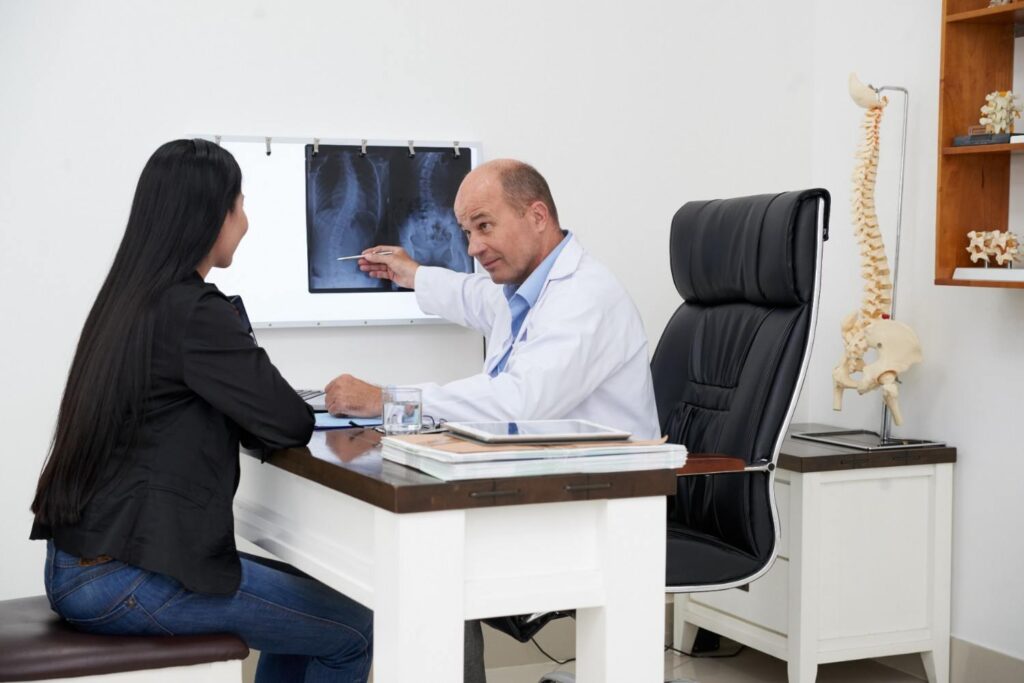
Knee pain can make everyday activities difficult. Walking, climbing stairs, sitting for long periods, and even standing may become uncomfortable. However, not every knee problem requires surgery. With the right diagnosis and treatment plan, many patients can manage their symptoms through non-surgical methods. Consulting the Best Orthopaedic Doctor in Indore can help identify the cause of knee pain and explore suitable treatment options.
An orthopaedic doctor examines the knee joint, evaluates movement, and recommends treatment based on the patient’s condition. These treatments may include medication, physiotherapy, lifestyle changes, and other non-surgical approaches. Early medical attention can also help prevent certain knee conditions from becoming more difficult to manage.
What Are the Common Causes of Knee Pain?
Knee pain can develop due to injuries, age-related changes, inflammation, or excessive pressure on the joints. Understanding its cause is the first step towards effective treatment.
Some common causes include:
- Osteoarthritis: Wear and tear of the joint cartilage can cause pain, stiffness, and reduced movement.
- Ligament injuries: Damage to ligaments may cause swelling, instability, and difficulty walking.
- Meniscus tears: Injury to the cartilage between the knee bones can cause pain, swelling, or locking.
- Tendinitis: Inflammation of the tendons around the knee can cause discomfort during movement.
- Bursitis: Inflammation of small fluid-filled sacs around the knee may lead to swelling and tenderness.
- Excess body weight: Additional weight can increase pressure on the knee joints.
The Best Orthopaedic Doctor in Indore can assess these symptoms and determine whether conservative treatment is appropriate.
How Does an Orthopaedic Doctor Diagnose Knee Pain?
Before recommending treatment, an orthopaedic specialist needs to understand why the knee hurts. A proper diagnosis helps avoid unnecessary treatments and supports better recovery.
1. Physical Examination
The doctor checks the knee for swelling, tenderness, stiffness, and restricted movement. They may also assess walking patterns, joint stability, and muscle strength.
2. Medical History
The specialist asks about previous injuries, existing medical conditions, physical activities, and how long the pain has been present. This information helps identify possible causes.
3. Imaging Tests
Depending on the symptoms, the doctor may recommend imaging tests.
- X-rays: Help identify arthritis, bone changes, and joint space narrowing.
- MRI scans: Provide detailed images of ligaments, cartilage, tendons, and other soft tissues.
- Ultrasound: May help examine tendons, fluid collections, and soft tissue problems.
A detailed assessment allows the Best Orthopaedic Doctor in Indore to create a treatment plan suited to the patient’s needs.
7 Non-Surgical Treatments for Knee Pain
Many patients can manage knee pain without undergoing an operation. The right approach depends on the underlying condition, pain severity, and overall health.
1. Medication for Pain and Inflammation
Doctors may recommend suitable medications to reduce pain and inflammation. These can include topical pain-relief products or oral medicines.
However, medication should always be taken according to medical advice. Some painkillers may not be suitable for people with kidney problems, stomach ulcers, or certain other health conditions.
2. Physiotherapy and Strengthening Exercises
Physiotherapy is an important part of non-surgical knee pain management. It focuses on improving muscle strength, flexibility, balance, and joint movement.
A physiotherapist may recommend:
- Quadriceps strengthening exercises
- Hamstring stretches
- Straight leg raises
- Gentle knee mobility exercises
- Low-impact activities such as stationary cycling
Strong muscles around the knee provide better joint support. However, exercises should be adjusted according to the patient’s condition.
3. Weight Management
Excess body weight can increase the load placed on the knee joints. This may worsen pain, particularly in people with knee osteoarthritis.
A gradual weight-management plan can help reduce pressure on the joints. Combining balanced nutrition with suitable physical activity may also improve overall mobility.
4. Hot and Cold Therapy
Hot and cold therapy may help manage certain types of knee discomfort.
- Cold packs: Can help reduce swelling and discomfort after an injury.
- Warm compresses: May help ease stiffness and relax surrounding muscles.
Apply a cloth between the skin and the pack. Avoid prolonged direct exposure to extreme temperatures.
5. Knee Braces and Support
Some patients benefit from knee braces, supports, or walking aids. These devices may improve stability and reduce pressure on specific parts of the knee.
An orthopaedic specialist can recommend the right support based on the patient’s joint condition and activity level.
6. Injection-Based Treatments
In selected cases, doctors may consider injections to manage knee pain.
Corticosteroid injections may provide short-term relief for certain patients with joint inflammation. Other injections, such as hyaluronic acid, may be considered in specific circumstances, although their benefits vary.
The Best Orthopaedic Doctor in Indore can explain the potential benefits, limitations, and risks before recommending any injection.
7. Lifestyle Changes and Activity Modification
Small changes in daily habits can help reduce unnecessary pressure on the knee joints.
Patients may benefit from:
- Avoiding activities that worsen knee pain.
- Taking breaks after prolonged standing.
- Choosing comfortable and supportive footwear.
- Avoiding sudden increases in exercise intensity.
- Using low-impact activities such as swimming or walking, as tolerated.
These adjustments can support long-term knee health.
When Should You Visit an Orthopaedic Doctor for Knee Pain?
Occasional knee discomfort may improve with rest. However, persistent or worsening pain should not be ignored.
You should consult an orthopaedic specialist if you experience:
- Knee pain that continues for several days or weeks.
- Swelling or stiffness that affects daily activities.
- Difficulty climbing stairs or walking.
- Repeated episodes of knee instability.
- Pain that increases during physical activity.
- Reduced knee movement or difficulty bending the joint.
Seek prompt medical attention if you cannot bear weight, have a visibly deformed knee, or develop a hot, red, swollen knee with fever.
The Best Orthopaedic Doctor in Indore can evaluate these symptoms and recommend whether medication, physiotherapy, injections, or another treatment is suitable.
Can Knee Pain Be Managed Without Surgery?
Yes, many cases of knee pain can be managed without surgery. Patients with mild to moderate osteoarthritis, certain soft tissue problems, and some overuse injuries may respond well to conservative treatment.
However, results depend on the underlying condition and its severity. Some patients with significant joint damage or severe injuries may eventually require surgery.
The goal of non-surgical treatment is to reduce pain, improve mobility, maintain joint function, and help patients return to their daily activities.
Consulting the Best Orthopaedic Doctor in Indore can help you understand your treatment options and make an informed decision.
Conclusion
Knee pain does not always mean that surgery is necessary. Early diagnosis, appropriate medication, physiotherapy, weight management, and lifestyle modifications can help many patients manage their symptoms.
Dr. Aditya Lakhotia focuses on evaluating orthopaedic conditions and helping patients understand suitable treatment options. If knee pain is affecting your daily routine, consider consulting an experienced orthopaedic specialist for proper evaluation and personalised care.
FAQs
1. Can knee pain be treated without surgery?
Yes. Many knee conditions can be managed through medication, physiotherapy, strengthening exercises, weight management, and lifestyle changes. The treatment depends on the cause and severity of the problem.
2. Which exercises help reduce knee pain?
Straight leg raises, quadriceps strengthening, gentle hamstring stretches, and stationary cycling may help improve knee strength and flexibility. However, exercises should be selected according to the patient’s condition.
3. How long does non-surgical knee pain treatment take?
Recovery time varies depending on the underlying condition, pain severity, and response to treatment. Some patients notice improvement within a few weeks, while chronic conditions may require longer-term management.
4. Are knee injections effective for pain relief?
Certain injections, such as corticosteroids, may provide short-term relief for selected patients. However, their effectiveness varies. An orthopaedic specialist can explain the benefits and possible risks before recommending them.
5. When is knee surgery necessary?
Surgery may be considered when severe joint damage, significant injuries, or persistent symptoms do not improve with appropriate non-surgical treatment. The decision depends on medical findings, pain levels, mobility, and the patient’s overall health.
For More Information, Visit Now: https://share.google/7Gu44TxWRlP5NoXA4