
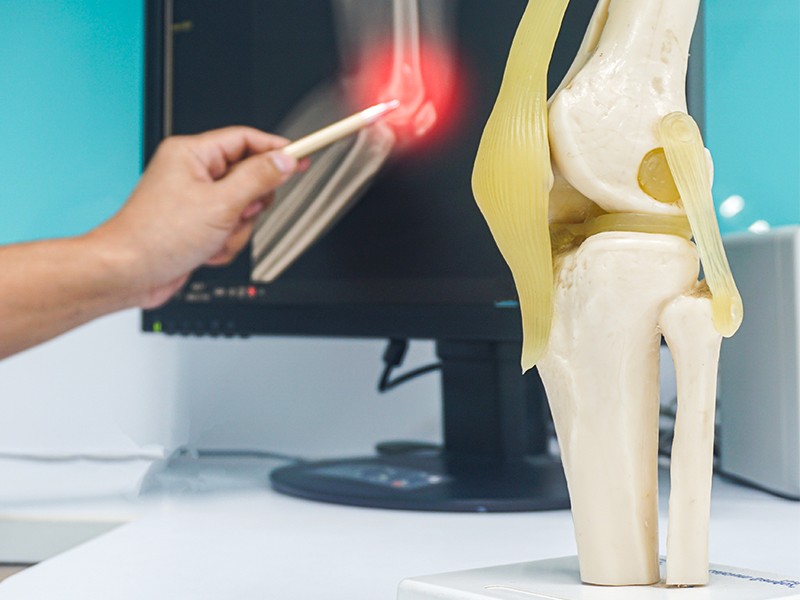
Joint pain can make even simple daily activities difficult. Walking, climbing stairs, sitting comfortably, or getting out of bed may become painful when your joints are not functioning properly. While occasional discomfort may improve with rest, persistent pain should not be ignored. Consulting an Orthopedic Doctor In Indore can help identify the underlying cause and guide you towards appropriate treatment.
Joint pain can affect people of all ages. Younger individuals may experience pain due to sports injuries or excessive physical activity. Older adults may develop joint discomfort because of arthritis, cartilage damage, or age-related changes. Understanding when to seek medical attention is important for protecting joint health and maintaining mobility.
What Causes Joint Pain?
Joint pain can develop for several reasons. Identifying the cause is the first step towards effective treatment.
Some common causes include:
- Osteoarthritis: Gradual cartilage deterioration that causes pain and stiffness.
- Sports injuries: Damage to ligaments, tendons, or cartilage during physical activities.
- Rheumatoid arthritis: An inflammatory condition that affects joints.
- Overuse injuries: Repetitive movements that place excessive stress on joints.
- Previous injuries: Old fractures or ligament injuries that continue to cause discomfort.
- Age-related changes: Natural changes in joint structures over time.
An orthopedic specialist can evaluate these conditions and recommend suitable treatment according to the patient’s symptoms and medical history.
7 Signs You Should Consult an Orthopedic Doctor In Indore
Not every episode of joint pain requires immediate medical attention. However, certain symptoms indicate that professional evaluation may be necessary.
1. Joint Pain That Does Not Improve
If your joint pain continues for several days or repeatedly returns, it is important to understand why.
Persistent pain may indicate cartilage damage, arthritis, ligament injuries, or other orthopedic conditions. Early evaluation can help identify the problem before it significantly affects your mobility.
2. Swelling Around the Joint
Swelling around the knee, hip, shoulder, or ankle may develop because of inflammation, injury, or joint-related conditions.
If swelling is accompanied by pain, stiffness, or difficulty moving, consult an orthopedic specialist. A hot, swollen joint with fever requires urgent medical evaluation because it may indicate an infection.
3. Difficulty Walking or Climbing Stairs
Joint pain that affects walking, standing, or climbing stairs should not be overlooked.
For example, knee pain may make climbing stairs uncomfortable. Similarly, hip pain can affect walking and sitting.
An Orthopedic Doctor In Indore can assess joint movement, muscle strength, and possible structural problems to determine the appropriate treatment.
4. Morning Stiffness
Some people experience stiffness in their joints after waking up.
Occasional stiffness may occur after inactivity. However, prolonged morning stiffness, especially when accompanied by swelling or pain in multiple joints, may indicate an inflammatory condition.
A medical assessment can help determine whether the symptoms are related to osteoarthritis, rheumatoid arthritis, or another joint disorder.
5. Pain After an Injury
Joint pain following a fall, accident, or sports injury requires careful evaluation.
Ligament tears, cartilage injuries, fractures, and dislocations may cause pain and swelling. Some injuries are not immediately obvious without a proper examination.
If you experience severe pain, significant swelling, deformity, or an inability to bear weight after an injury, seek urgent medical attention.
6. Reduced Joint Movement
Difficulty bending your knee, rotating your shoulder, or moving your hip normally may indicate a joint problem.
Reduced movement can develop because of stiffness, inflammation, cartilage damage, or injury.
Consulting an orthopedic specialist can help identify the cause and guide rehabilitation or other treatment options.
7. Joint Pain Affecting Daily Activities
Joint pain should receive attention when it begins affecting your quality of life.
If you struggle with household activities, exercise, work, or sleeping comfortably, consider seeking professional advice.
Early treatment may help reduce discomfort, maintain mobility, and prevent unnecessary limitations in daily activities.
When Should You Consult an Orthopedic Doctor In Indore for Knee Pain?
Knee pain is one of the most common orthopedic complaints.
It may occur because of osteoarthritis, meniscus injuries, ligament tears, kneecap problems, or excessive pressure on the joint.
You should consider consulting an orthopedic specialist if:
- Knee pain continues despite rest.
- You experience repeated knee swelling.
- Your knee feels unstable while walking.
- You have difficulty bending or straightening your knee.
- You hear painful clicking or experience locking.
- Knee pain interferes with everyday activities.
An appropriate diagnosis helps determine whether medication, physiotherapy, activity modification, injections, or surgery may be required.
How Is Joint Pain Diagnosed?
An orthopedic consultation generally begins with understanding your symptoms and medical history.
Your doctor may ask about the duration of pain, previous injuries, physical activities, and any difficulty with movement.
A physical examination may include:
- Checking joint swelling and tenderness.
- Assessing flexibility and range of motion.
- Evaluating muscle strength.
- Observing walking patterns.
- Checking joint stability.
Depending on the findings, additional investigations such as X-rays, MRI scans, or blood tests may be recommended.
Not every patient requires advanced imaging. The appropriate tests depend on the suspected condition.
Treatment Options for Joint Pain
Joint pain treatment depends on its cause, severity, and the patient’s overall health.
Non-Surgical Treatment
Many joint conditions can initially be managed without surgery.
Treatment may include:
- Appropriate medications for pain and inflammation.
- Physiotherapy and strengthening exercises.
- Activity modification.
- Weight management.
- Cold or heat therapy when appropriate.
- Supportive devices when necessary.
These approaches may improve mobility and reduce discomfort in suitable patients.
Surgical Treatment
Surgery may be considered when joint damage is severe or non-surgical treatment does not provide sufficient relief.
Depending on the condition, surgical options may include arthroscopy, ligament reconstruction, or joint replacement.
An orthopedic specialist can explain the available options and help patients understand the potential benefits and risks.
How Can You Maintain Healthy Joints?
Healthy lifestyle habits can support joint function and reduce unnecessary stress.
Consider these practical steps:
- Maintain a healthy body weight.
- Stay physically active.
- Perform regular strengthening exercises.
- Avoid sudden increases in exercise intensity.
- Use proper techniques during sports and workouts.
- Take breaks from repetitive movements.
- Seek medical advice for recurring joint discomfort.
Consistency is important. Regular movement and appropriate exercise help maintain muscle strength and joint flexibility.
Conclusion
Joint pain should not become a normal part of your everyday life. Persistent discomfort, swelling, stiffness, and restricted movement may indicate an underlying orthopedic condition that requires attention.
Consulting an Orthopedic Doctor In Indore at the appropriate time can help you understand the cause of your symptoms and explore suitable treatment options. Whether you are experiencing knee pain, hip discomfort, sports injuries, or arthritis-related problems, early evaluation can support better joint management.
Dr. Aditya Lakhotia emphasizes the importance of understanding joint problems and choosing treatment according to individual needs. Taking timely action can help you maintain mobility, improve comfort, and return to your daily activities with greater confidence.
Frequently Asked Questions (FAQs)
1. When should I consult an orthopedic doctor for joint pain?
You should consult an orthopedic doctor if joint pain persists, repeatedly returns, causes swelling, or interferes with walking and daily activities.
2. Can joint pain be treated without surgery?
Yes. Many joint conditions can be managed with medication, physiotherapy, exercise, and lifestyle changes. Surgery is considered when necessary, depending on the condition.
3. Is knee pain always a sign of arthritis?
No. Knee pain can also result from ligament injuries, meniscus tears, muscle weakness, overuse, or other orthopedic problems.
4. What tests are required to diagnose joint pain?
Depending on your symptoms, your doctor may recommend an X-ray, MRI, blood tests, or other investigations. Some conditions can be diagnosed through clinical examination.
5. How can I find an Orthopedic Doctor In Indore for joint pain?
Look for an orthopedic specialist with relevant experience in diagnosing and treating joint conditions. A consultation can help you understand your symptoms and identify appropriate treatment options.
For More Information, Visit Now: https://share.google/7Gu44TxWRlP5NoXA4