
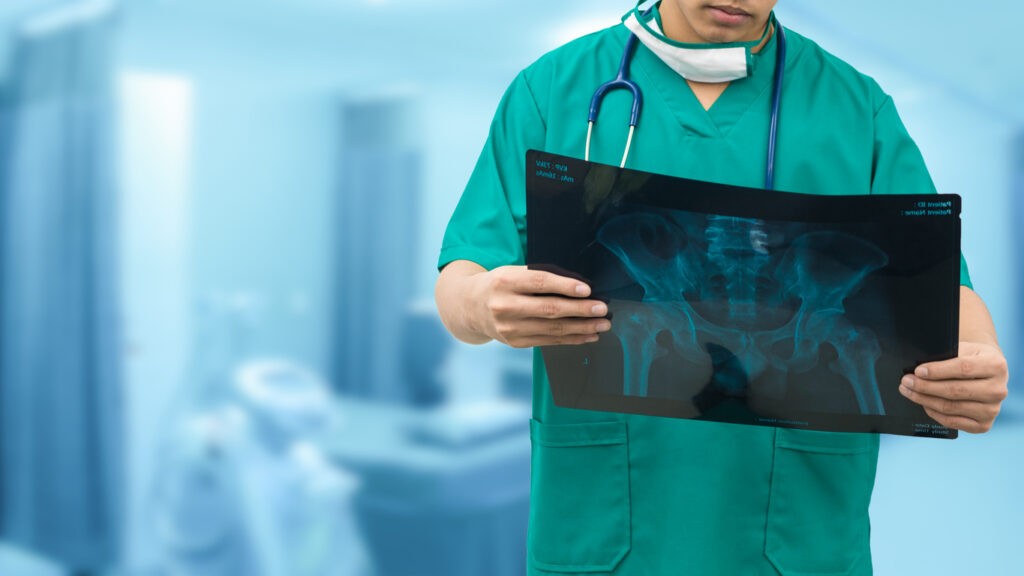
Joint pain, stiffness, and bone problems can make everyday activities difficult. Whether you experience knee pain while walking, hip discomfort while sitting, or persistent back pain, identifying the underlying cause is important. Consulting the Best Orthopaedic Doctor in Indore can help you understand your condition and explore appropriate treatment options. An orthopaedic doctor evaluates your symptoms, examines your joints, and recommends diagnostic tests when necessary.
Understanding how orthopaedic doctors diagnose joint pain and bone disorders can help you prepare for your consultation and make informed decisions about your health.
What Causes Joint Pain and Bone Disorders?
Joint pain can develop because of several medical conditions. Some problems occur gradually, while others result from sudden injuries or accidents.
Common causes include:
- Osteoarthritis and age-related cartilage changes
- Rheumatoid arthritis and inflammatory joint conditions
- Bone fractures and sports injuries
- Ligament and tendon injuries
- Hip and knee joint degeneration
- Osteoporosis and weakened bones
- Muscle strain and overuse injuries
- Poor posture and repetitive movements
An orthopaedic doctor identifies these conditions by combining clinical observations, medical history, and diagnostic investigations.
1. Medical History and Symptom Assessment
The first step in diagnosing joint pain is understanding the patient’s symptoms.
During the consultation, the doctor may ask:
- When did the pain begin?
- Is the pain constant or occasional?
- Does movement increase the discomfort?
- Is there swelling or stiffness?
- Have you experienced any previous injuries?
- Does the pain interfere with walking or sleeping?
These questions help identify patterns associated with different conditions.
For example, morning stiffness may suggest an inflammatory joint condition. Pain that increases during activity may be associated with osteoarthritis or mechanical problems.
A detailed medical history helps the Best Orthopaedic Doctor in Indore narrow down possible causes before recommending further investigations.
2. Physical Examination of Joints and Bones
A physical examination is an essential part of orthopaedic diagnosis.
The doctor carefully examines the affected area to identify abnormalities. This examination may include:
Checking Swelling and Tenderness
Swelling, redness, warmth, and tenderness can indicate inflammation, injury, or infection.
Evaluating Joint Movement
The doctor checks how comfortably the joint moves. Restricted movement may indicate arthritis, stiffness, or structural damage.
Assessing Joint Stability
Certain movements help evaluate ligament strength and joint stability.
Observing Walking and Posture
Walking patterns, balance, and posture can provide important information about hip, knee, and spine conditions.
These findings help determine whether additional diagnostic tests are required.
3. X-Ray Tests for Bone and Joint Problems
X-rays are among the most commonly recommended investigations in orthopaedics.
They provide images of bones and help identify structural abnormalities.
An X-ray may help detect:
- Bone fractures
- Joint space narrowing
- Osteoarthritis-related changes
- Bone deformities
- Bone spurs
- Certain bone abnormalities
For patients experiencing persistent knee or hip pain, X-rays can provide useful information about joint alignment and bone changes.
However, X-rays cannot show every soft tissue injury. Therefore, additional imaging may sometimes be necessary.
4. MRI Scans for Soft Tissue Injuries
Magnetic Resonance Imaging (MRI) provides detailed images of bones and surrounding soft tissues.
An MRI may be recommended when the doctor suspects damage involving:
- Ligaments
- Tendons
- Cartilage
- Meniscus
- Muscles
- Certain bone injuries
For example, a patient with knee pain after a sports injury may require an MRI to evaluate ligament or meniscus damage.
The Best Orthopaedic Doctor in Indore may recommend MRI when physical examination and X-ray findings do not provide sufficient information.
MRI is not required for every patient. Its usefulness depends on the suspected diagnosis and clinical findings.
5. Blood Tests for Arthritis and Inflammation
Blood tests can help identify certain inflammatory conditions and infections.
Depending on the symptoms, an orthopaedic doctor may recommend:
- Complete Blood Count (CBC)
- ESR
- CRP
- Rheumatoid Factor (RF)
- Anti-CCP antibodies
- Uric acid testing
These tests can provide additional information about inflammation or support the evaluation of specific conditions.
However, blood tests alone cannot diagnose every joint disorder. Doctors interpret laboratory results alongside symptoms, physical examination, and imaging findings.
6. Diagnosing Osteoarthritis and Degenerative Joint Conditions
Osteoarthritis is a common condition that affects joint cartilage and surrounding structures.
It frequently involves the knees, hips, and hands. Patients may experience pain during movement, stiffness, swelling, and difficulty performing everyday activities.
Diagnosis usually involves:
- Reviewing symptoms and medical history
- Examining joint movement and tenderness
- Assessing walking patterns
- Reviewing X-ray findings when indicated
The doctor evaluates how the condition affects mobility and daily activities.
Early diagnosis can help patients understand available treatment approaches, including exercise, physiotherapy, medication, and other interventions when appropriate.
7. Diagnosing Bone Disorders and Fractures
Bone disorders may develop because of injuries, reduced bone strength, or underlying medical conditions.
An orthopaedic doctor evaluates suspected bone problems through physical examination and imaging.
For fractures, X-rays are commonly used to identify the location and type of injury. CT scans may provide additional details about complex fractures.
Bone density testing, also called DEXA, may be recommended when osteoporosis or reduced bone strength is suspected.
These investigations help doctors assess bone health and determine suitable treatment options.
8. Why Early Orthopaedic Diagnosis Matters
Ignoring persistent joint pain can sometimes allow an underlying condition to worsen.
Early consultation may help identify:
- Joint degeneration
- Bone injuries
- Ligament damage
- Inflammatory conditions
- Mobility-related problems
A timely diagnosis also helps patients avoid unnecessary self-medication and inappropriate exercises.
If joint pain continues, increases, or affects daily activities, professional evaluation is advisable.
When Should You Consult an Orthopaedic Doctor?
Consider consulting an orthopaedic specialist if you experience:
- Persistent knee or hip pain
- Difficulty walking or climbing stairs
- Joint swelling or stiffness
- Pain following an injury
- Reduced joint movement
- Recurrent bone or joint discomfort
- Difficulty standing for extended periods
Sudden severe pain, visible deformity after an injury, inability to bear weight, or a hot swollen joint accompanied by fever requires urgent medical assessment.
Consult Dr. Aditya Lakhotia for Orthopaedic Evaluation
Joint pain and bone disorders require careful evaluation to identify their underlying causes. A combination of medical history, physical examination, and appropriate diagnostic investigations helps doctors develop an effective treatment plan.
If you are looking for the Best Orthopaedic Doctor in Indore, consulting an experienced orthopaedic specialist can help you understand your symptoms and available treatment options.
Dr. Aditya Lakhotia focuses on evaluating orthopaedic conditions and helping patients understand their joint and bone health concerns.
Conclusion
An accurate diagnosis is the foundation of effective orthopaedic care. Physical examinations, X-rays, MRI scans, and laboratory investigations help identify joint pain, arthritis, fractures, and other bone disorders.
The Best Orthopaedic Doctor in Indore can evaluate your symptoms, identify possible causes, and guide you toward appropriate treatment.
Seeking timely medical advice can help protect joint health, improve mobility, and support a better quality of life.
Frequently Asked Questions (FAQs)
1. How does an orthopaedic doctor diagnose joint pain?
An orthopaedic doctor evaluates symptoms, medical history, joint movement, swelling, and tenderness. X-rays, MRI scans, or blood tests may be recommended when necessary.
2. Which tests are commonly used to diagnose bone disorders?
Common tests include X-rays, MRI scans, CT scans, and bone density testing. The choice depends on the suspected bone condition.
3. Can an X-ray detect arthritis?
X-rays can reveal certain arthritis-related changes, including joint space narrowing and bone spurs. However, early arthritis may not always be visible on X-rays.
4. When should I consult an orthopaedic doctor for knee pain?
Consult an orthopaedic doctor if knee pain persists, causes swelling, limits movement, or interferes with walking and daily activities.
5. Why is early diagnosis important for joint and bone problems?
Early diagnosis helps identify the underlying condition, supports timely treatment, and may reduce the risk of worsening symptoms or mobility limitations.
For More Information, Visit Now: https://share.google/7Gu44TxWRlP5NoXA4