Sports and physical activities help keep us fit and active. However, sudden movements, falls, and overuse can sometimes cause injuries. Consulting an experienced Orthopedic Doctor in Indore can help identify the cause of pain, provide appropriate treatment, and support a safe return to physical activity.
Sports injuries can affect anyone, from professional athletes to people who exercise regularly. Some injuries improve with rest and rehabilitation, while others require medical treatment or surgery. Early assessment helps prevent further damage and supports better recovery.
What Are the Most Common Sports Injuries?
Sports injuries can affect muscles, ligaments, tendons, bones, and joints. The type of injury often depends on the activity, the intensity of exercise, and the movement involved.
Some common sports injuries include:
- Sprains: Injuries to ligaments that support joints, often affecting the ankle or knee.
- Muscle strains: Stretching or tearing of muscles or tendons during physical activity.
- Knee injuries: Damage to structures such as the meniscus or anterior cruciate ligament (ACL).
- Shoulder injuries: Rotator cuff problems, dislocations, or tendon injuries.
- Fractures: Broken bones caused by falls, direct impact, or excessive force.
- Tendon injuries: Irritation or damage caused by repeated movements or sudden strain.
An Orthopedic Doctor in Indore can assess the injury, determine its severity, and recommend the most suitable treatment.
How Can an Orthopedic Doctor in Indore Help Manage Sports Injuries?
Managing a sports injury involves identifying the problem, relieving symptoms, restoring movement, and reducing the risk of further injury. Treatment depends on the affected area and the severity of the damage.
1. Accurate Diagnosis of Sports Injuries
Correct diagnosis is the first step towards effective treatment. Pain and swelling can occur with several different injuries, so symptoms alone may not reveal the exact problem.
The doctor reviews your symptoms, medical history, and the circumstances of the injury. A physical examination helps assess swelling, joint stability, tenderness, and range of motion.
Depending on the findings, the doctor may recommend an X-ray to check for fractures or other imaging tests, such as an MRI, to evaluate soft tissues and ligaments.
An accurate diagnosis helps guide treatment and prevents unnecessary delays in recovery.
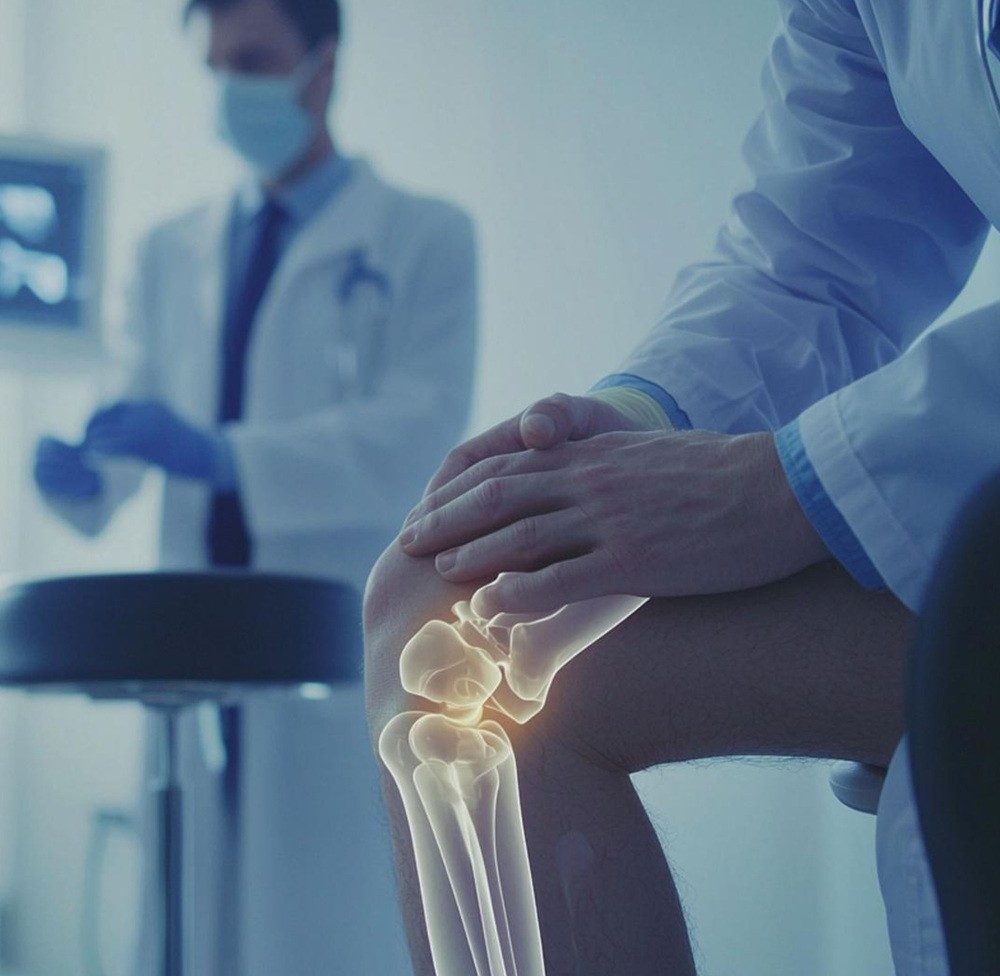
2. Treatment for Knee Injuries
Knee injuries are common among runners, football players, basketball players, and people who participate in fitness activities. Sudden twisting movements, awkward landings, and direct impacts can damage the knee.
Common problems include ligament tears, meniscus injuries, kneecap dislocations, and tendon irritation.
An Orthopedic Doctor in Indore may recommend activity modification, pain management, physiotherapy, or a knee support when appropriate. More serious injuries may require surgery, particularly when they cause significant instability or interfere with daily activities.
The treatment plan depends on the injury, your activity level, and your recovery goals.
3. Managing Muscle Strains and Ligament Sprains
Muscle strains and ligament sprains can cause pain, swelling, bruising, and difficulty moving the affected area. They often occur during sprinting, jumping, lifting, or sudden changes in direction.
Initial care may include protecting the injured area, modifying activities, and using ice wrapped in a cloth for short periods to help relieve swelling. Avoid forcing painful movements or returning to sports too soon.
Depending on the severity, your doctor may recommend medication, temporary support, or physiotherapy. Severe injuries need medical assessment to rule out significant tears or fractures.
Following the recommended recovery plan helps restore strength and flexibility gradually.
4. Treating Shoulder and Elbow Injuries
Shoulder and elbow injuries are common in sports such as cricket, tennis, badminton, swimming, and weightlifting. Repetitive movements can irritate tendons, while sudden impacts may cause dislocations or other injuries.
Symptoms may include pain during movement, weakness, stiffness, and difficulty lifting the arm.
An orthopedic specialist examines the joint and may recommend imaging if necessary. Treatment can include activity modification, medication when appropriate, targeted exercises, and physiotherapy.
Early treatment can help restore movement and reduce the risk of persistent symptoms.
5. When Is Surgery Necessary for a Sports Injury?
Not every sports injury requires surgery. Many sprains, strains, and minor injuries improve with appropriate non-surgical treatment.
However, surgery may be considered for certain fractures, severe ligament tears, unstable joint injuries, or injuries that do not respond adequately to conservative care.
An orthopedic surgeon evaluates the risks, expected benefits, recovery time, and your individual goals before recommending a procedure.
For example, some athletes with significant ACL injuries may benefit from reconstruction, particularly when they wish to return to sports involving frequent pivoting and sudden direction changes.
The final treatment decision should always be based on a detailed medical assessment.
Why Is Physiotherapy Important for Sports Injury Recovery?
Physiotherapy plays an important role in many sports injury treatment plans. Once the injury is ready for rehabilitation, guided exercises can help improve strength, flexibility, balance, and joint movement.
A physiotherapist may develop a programme based on the injured area and your recovery stage. Exercises often progress gradually as pain decreases and function improves.
Rehabilitation may include:
- Gentle range-of-motion exercises
- Muscle strengthening
- Balance and coordination training
- Flexibility exercises
- Sport-specific movement training
An Orthopedic Doctor in Indore may coordinate care with a physiotherapist to support a structured recovery process.
Returning to sports too early can increase the risk of reinjury. Therefore, progress should be based on strength, movement, stability, and medical advice rather than pain relief alone.
How Can Athletes Prevent Sports Injuries?
Although not every injury can be prevented, certain habits can reduce the risk.
Warm up properly: Begin with light activity and dynamic movements before intense exercise.
Use the correct technique: Learn appropriate techniques for lifting, running, jumping, and throwing.
Increase training gradually: Avoid sudden increases in exercise intensity, duration, or frequency.
Wear suitable equipment: Use appropriate footwear and protective gear for your sport.
Allow time for recovery: Rest between demanding sessions and avoid training through significant pain.
Maintain strength and flexibility: Regular conditioning can help prepare muscles and joints for physical activity.
If pain, swelling, or instability persists, seek professional medical advice instead of continuing to train through the symptoms.
When Should You Consult an Orthopedic Doctor?
Some sports injuries require prompt medical evaluation. Seek urgent care if you experience severe pain, an obvious deformity, an inability to bear weight, significant swelling, or a suspected fracture.
A joint that becomes locked or repeatedly gives way also needs assessment. Numbness, unusual weakness, or changes in the colour or temperature of a limb may indicate a more serious problem.
Even if symptoms appear mild, consult a doctor if pain continues, movement becomes restricted, or the injury repeatedly returns during exercise.
An Orthopedic Doctor in Indore can help identify the underlying cause and recommend treatment based on your condition.
Conclusion
Sports injuries can affect performance, mobility, and everyday activities. However, timely diagnosis and appropriate treatment can help many people recover and return to their preferred activities safely.
An experienced Orthopedic Doctor in Indore can assess the injury, recommend suitable treatment, and guide rehabilitation when necessary. From minor muscle strains to complex knee ligament injuries, the right approach depends on the type and severity of the problem.
Dr. Aditya Lakhotia focuses on helping patients understand their orthopedic conditions and make informed decisions about treatment. If you experience persistent sports-related pain or difficulty moving a joint, arrange a medical assessment rather than ignoring the symptoms.
Frequently Asked Questions
1. Which sports injuries require an orthopedic consultation?
Knee ligament injuries, fractures, severe sprains, shoulder dislocations, persistent tendon pain, and injuries that limit movement may require orthopedic assessment. Severe pain or an obvious deformity needs urgent medical attention.
2. Can sports injuries heal without surgery?
Yes. Many sports injuries improve with activity modification, appropriate medication, support, and physiotherapy. Surgery may be necessary for certain severe injuries or when non-surgical treatment does not provide adequate results.
3. How long does it take to recover from a sports injury?
Recovery time depends on the injury and its severity. Minor strains may improve within days or weeks, while fractures and major ligament injuries can require several months of treatment and rehabilitation.
4. Is physiotherapy necessary after a sports injury?
Physiotherapy is often helpful because it supports strength, flexibility, balance, and mobility. Your doctor can advise when rehabilitation should begin and which exercises are appropriate for your injury.
5. How can I avoid reinjuring myself after recovery?
Follow your rehabilitation programme, rebuild strength gradually, use proper sports techniques, and return to activity only when you meet the recommended recovery milestones. Seek medical advice if pain or instability returns.
For More Information, Visit Now: https://share.google/7Gu44TxWRlP5NoXA4