
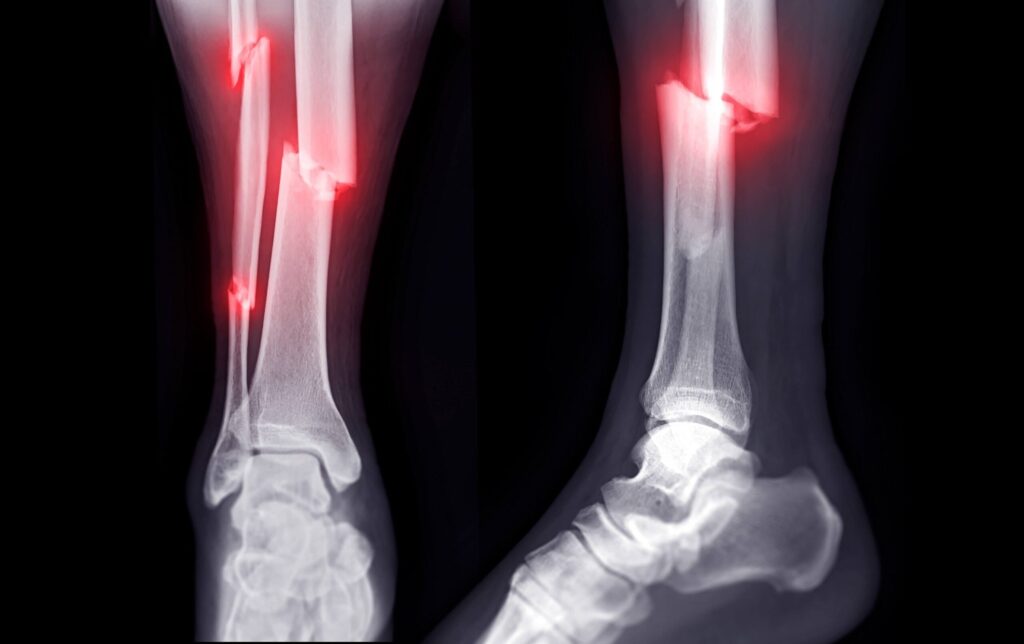
A fracture can occur because of a road accident, sports injury, fall, or a sudden high-impact injury. While some broken bones can heal with a cast, brace, or other non-surgical treatment, complex injuries may require surgery. Best Fracture Surgery in Indore focuses on restoring bone alignment, providing stability, and supporting a safe return to movement. The right treatment depends on the fracture type, location, severity, soft-tissue condition, and overall health of the patient.
Dr. Aditya Lakhotia provides orthopedic and trauma care in Indore, including fracture evaluation and surgical management when clinically appropriate. A detailed examination and imaging help determine whether surgery is necessary.
When Is Fracture Surgery Required?
Not every fracture needs an operation. Stable fractures with good alignment may often be treated using a cast, splint, brace, or other conservative methods.
However, surgery may be considered when:
- The bone is significantly displaced.
- The fracture is unstable.
- The bone has broken into several pieces.
- The fracture is open.
- The injury involves a major joint.
- The bone has failed to heal properly.
- There is significant soft-tissue damage.
- The fracture resulted from severe trauma.
X-rays are commonly used for diagnosis. In more complicated cases, CT or other imaging may help the orthopedic surgeon understand the fracture pattern and plan treatment.
1. Displaced Fractures
A displaced fracture occurs when the broken ends of a bone move out of their normal position. If the fragments cannot be kept properly aligned with non-surgical treatment, surgical fixation may be recommended.
During surgery, the bone fragments are repositioned and stabilized. Depending on the injury, plates, screws, rods, or other fixation devices may be used.
The objective of Best Fracture Surgery in Indore is not simply to join the broken bone. Proper alignment and stability are also important for restoring normal function.
2. Comminuted Fractures
A comminuted fracture occurs when the bone breaks into multiple pieces. These injuries can happen after road accidents, falls from height, or other high-energy trauma.
Because there are several fragments, maintaining proper alignment can be difficult with a cast alone. Surgery may therefore be considered depending on the location and severity of the injury.
The surgeon carefully evaluates the fragments and selects a suitable fixation technique.
3. Open Fractures
An open fracture occurs when a broken bone is associated with an open wound that exposes the fracture to the outside environment.
These injuries require urgent medical attention because there can be damage to surrounding tissues and an increased risk of infection.
Treatment may involve cleaning the wound, removing damaged tissue when required, preventing infection, and stabilizing the fractured bone. Surgical stabilization can be part of treatment depending on the injury.
4. Fractures Involving a Joint
Some fractures extend into joints such as the knee, hip, ankle, shoulder, or elbow.
Joint fractures require careful treatment because the alignment of the joint surface can influence future movement and function. If the fracture is significantly displaced or unstable, surgery may be recommended to restore alignment.
For patients seeking Best Fracture Surgery in Indore, proper evaluation is particularly important when a fracture involves a weight-bearing joint.
5. Hip and Femur Fractures
Hip fractures can significantly affect walking and independence. Some fractures around the hip may require surgical fixation, while certain injuries may be treated with joint replacement depending on the fracture location and patient-specific factors.
The femur, or thigh bone, is the largest weight-bearing bone in the body. A femur fracture can therefore be a serious injury and may require surgical stabilization.
Early orthopedic assessment can help determine the most appropriate treatment plan.
6. Tibia and Fibula Fractures
The lower leg contains two bones: the tibia and fibula. Severe fractures of these bones may require surgical fixation.
Depending on the fracture pattern and location, treatment may involve plates and screws or an intramedullary nail. The choice depends on factors such as bone alignment, soft-tissue condition, fracture severity, and the patient’s overall health.
A personalized approach is an important part of Best Fracture Surgery in Indore, especially for complex lower-limb injuries.
7. Ankle Fractures
An ankle fracture may involve one or more bones around the ankle joint. Stable injuries can sometimes be treated without surgery.
However, displaced or unstable ankle fractures may require fixation to restore proper alignment and stability.
After treatment, rehabilitation may help improve ankle movement, strength, balance, and walking ability.
8. Fractures That Do Not Heal Properly
Most fractures heal with appropriate treatment, but some may heal slowly or fail to unite completely. This condition can lead to persistent pain, weakness, or difficulty using the affected limb.
In selected cases, revision surgery may be required. Treatment can involve correcting alignment, improving fixation, or addressing factors affecting bone healing.
The cause of delayed or incomplete healing needs to be evaluated before deciding on further treatment.
How Is Fracture Surgery Performed?
The surgical technique depends on the type and location of the fracture.
Plates and Screws
Plates are positioned along the bone and secured with screws. They can provide stable fixation and are commonly used for fractures where accurate alignment is important.
Intramedullary Nails
An intramedullary nail is placed inside the central canal of a long bone. It can provide internal support while the bone heals.
External Fixation
External fixation may be considered for selected complex injuries, particularly when there is significant soft-tissue damage.
The surgeon selects the technique after assessing the fracture pattern, bone quality, soft tissues, overall health, and functional requirements.
Recovery After Fracture Surgery
Surgery is only one part of fracture recovery. Follow-up care and rehabilitation are also important.
Depending on the injury, patients may receive instructions regarding:
- Wound care
- Pain management
- Weight-bearing restrictions
- Use of crutches or a walker
- Follow-up X-rays
- Range-of-motion exercises
- Physiotherapy
- Gradual return to daily activities
Recovery time varies from patient to patient. Simple fractures may heal in several weeks, while complex fractures can require several months. The exact timeline depends on the bone involved, fracture severity, surgical technique, age, general health, and rehabilitation progress.
Why Timely Fracture Treatment Matters
Delaying evaluation after a significant fracture can make treatment more complicated in some cases. A proper orthopedic assessment helps identify the fracture pattern and determine whether non-surgical treatment is sufficient or whether surgery should be considered.
Dr. Aditya Lakhotia’s orthopedic practice in Indore provides fracture management and trauma care, including treatment for simple and complex fractures.
Frequently Asked Questions About Fracture Surgery
1. Does every fracture require surgery?
No. Many stable fractures can heal with casting, bracing, or other non-surgical treatment. Surgery is generally considered when a fracture is displaced, unstable, open, involves a joint, or cannot be adequately managed with conservative treatment.
2. Which fractures commonly need surgical treatment?
Displaced, comminuted, open, unstable, and certain joint fractures may require surgery. The decision depends on the fracture pattern, location, severity, and the patient’s overall condition.
3. How long does it take to recover after fracture surgery?
Recovery varies considerably. Some fractures may show substantial healing within several weeks, while complex injuries can take several months. Rehabilitation and follow-up are important throughout recovery.
4. What implants can be used during fracture surgery?
Depending on the fracture, an orthopedic surgeon may use plates and screws, intramedullary nails, or external fixation systems. The appropriate method depends on the bone, fracture pattern, soft tissues, and patient factors.
5. Is physiotherapy needed after fracture surgery?
Physiotherapy may be recommended to restore joint movement, muscle strength, balance, walking ability, and overall function. The timing and exercises depend on the fracture and surgical procedure.
Conclusion
Fractures can range from simple breaks to complex injuries involving multiple bone fragments, joints, or surrounding soft tissues. While many fractures can be treated without surgery, displaced, unstable, comminuted, open, and certain joint fractures may require surgical fixation.
Best Fracture Surgery in Indore involves more than repairing the broken bone. Proper diagnosis, appropriate fixation, follow-up monitoring, and rehabilitation all play important roles in recovery.
If you or a family member has suffered a significant fracture, consult an orthopedic surgeon for an individualized assessment. Dr. Aditya Lakhotia provides fracture and trauma management in Indore with treatment plans based on the patient’s specific injury and recovery needs.
For More Information, Visit Now: https://share.google/7Gu44TxWRlP5NoXA4