
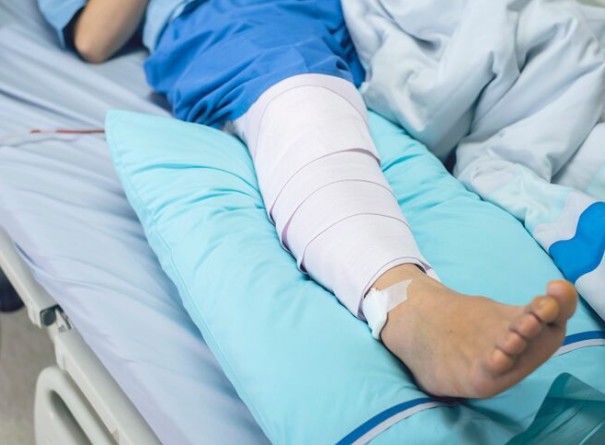
Undergoing Fracture Surgery in Indore can be an important step toward restoring bone alignment, movement, and strength after a serious injury. However, surgery is only the beginning of recovery. The time needed to return to normal activities depends on the type and location of the fracture, the surgical technique used, your overall health, and how consistently you follow rehabilitation advice.
In general, bone healing may take several weeks to a few months. Some patients can begin gentle movement soon after surgery, while others may need to avoid putting weight on the affected limb for several weeks. Therefore, there is no single recovery timeline that applies to everyone.
How Long Does Recovery Take After Fracture Surgery?
Recovery after Fracture Surgery in Indore usually happens gradually rather than all at once. A simple fracture may heal faster than a complex or multiple fracture.
A general recovery pattern may look like this:
- First 1–2 weeks: Pain and swelling are managed, while the surgical wound begins to heal.
- Weeks 2–6: Gradual improvement in movement and daily function may occur, depending on the fracture.
- 6–12 weeks: The bone may show significant healing, but strength and mobility can still need improvement.
- 3–6 months: Many patients regain better strength and function with appropriate rehabilitation.
- Beyond 6 months: Complex fractures, joint injuries, or complications may require a longer recovery period.
These timeframes are only general estimates. Your orthopedic surgeon will determine when it is safe to walk, bear weight, drive, exercise, or return to work.
What Happens Immediately After Fracture Surgery?
The first few days after Fracture Surgery in Indore focus on controlling pain, protecting the surgical site, and preventing complications.
Depending on the type of fracture and procedure, your doctor may recommend:
- Keeping the operated limb elevated
- Using prescribed pain medicines
- Protecting the wound and keeping it clean
- Using crutches, a walker, or other support
- Performing specific early exercises
- Attending follow-up appointments
- Avoiding unnecessary pressure on the operated area
Early movement may be encouraged in some cases. However, weight-bearing restrictions are different for every fracture. Patients should not increase activity simply because the pain has reduced.
Why Does Fracture Healing Take Time?
Bone healing is a biological process. After a fracture, the body begins repairing the damaged bone by forming new tissue around the injured area. Over time, this tissue becomes stronger and remodels into mature bone.
The process can be slower when the fracture is severe, the blood supply is affected, or the patient has other factors that interfere with healing.
This is why successful Fracture Surgery in Indore should be followed by regular monitoring. Follow-up X-rays may be used to check bone alignment and healing before activity levels are increased.
Factors That Affect Recovery After Fracture Surgery
Several factors can influence how quickly a patient recovers.
1. Type and Location of the Fracture
A straightforward fracture can heal differently from a displaced, comminuted, open, or joint-involving fracture. The location also matters because some bones and joints experience greater mechanical stress during everyday activities.
2. Surgical Technique
Depending on the injury, treatment may involve plates, screws, rods, nails, or other fixation methods. The objective is to restore appropriate alignment and provide enough stability for healing.
The fracture management approach used by an orthopedic surgeon is selected according to the patient’s injury rather than using the same procedure for every fracture. Dr. Aditya Lakhotia’s practice includes fracture management and complex trauma care in Indore.
3. Age and Overall Health
Age, nutrition, general fitness, and existing health conditions can influence healing. Older adults may also need additional support with mobility and rehabilitation.
4. Smoking and Lifestyle Habits
Smoking can negatively affect bone healing. Maintaining healthy lifestyle habits, eating a balanced diet, and following your doctor’s instructions can support recovery.
5. Physiotherapy and Rehabilitation
Physiotherapy is an important part of recovery after many fracture surgeries. Once the surgeon confirms that movement is safe, rehabilitation can help restore flexibility, muscle strength, balance, and functional movement.
The rehabilitation plan should always match the fracture and surgical fixation. Exercises that are appropriate for one patient may be unsuitable for another.
Physiotherapy After Fracture Surgery in Indore
Physiotherapy may begin with simple movements and progress gradually as the bone becomes stronger.
Depending on the injury, rehabilitation may include:
- Gentle range-of-motion exercises
- Muscle activation exercises
- Progressive strengthening
- Balance and coordination training
- Gait training
- Gradual weight-bearing
- Functional exercises for daily activities
Consistency is important. Stopping rehabilitation too early can contribute to stiffness, weakness, and reduced mobility.
The goal is not simply to make the bone heal. The broader goal is to help you safely regain useful movement and confidence in the affected limb.
When Can You Return to Normal Activities?
One of the most common concerns after Fracture Surgery in Indore is knowing when normal activities can resume.
The answer depends on your fracture and recovery progress. Your doctor may gradually clear you for activities such as:
- Walking without support
- Driving
- Returning to office work
- Climbing stairs
- Light exercise
- Strength training
- Sports and high-impact activities
Do not compare your recovery with another person’s. Two people can undergo surgery for seemingly similar fractures and still have very different healing timelines.
How Can You Support a Faster and Safer Recovery?
You cannot always control how quickly a bone heals, but you can support the recovery process.
Follow your surgeon’s instructions carefully. Take medications as prescribed and attend scheduled follow-ups. Keep the surgical wound protected and report unusual symptoms promptly.
Adequate protein, calcium, vitamin D, and other nutrients are also important for overall bone health. However, supplements should be taken only when recommended by your healthcare professional.
Most importantly, avoid putting weight or stress on the operated limb before your surgeon allows it. Returning to strenuous activity too early can interfere with recovery.
When Should You Contact Your Orthopedic Surgeon?
Some discomfort is expected after surgery. However, patients should seek medical advice if they develop increasing pain, significant swelling, wound discharge, fever, numbness, unusual discoloration, or difficulty moving the affected area.
Prompt evaluation can help identify potential complications and prevent unnecessary delays in recovery.
If you need Fracture Surgery in Indore, choosing an orthopedic specialist who can provide appropriate diagnosis, surgical management, and follow-up rehabilitation is important. Dr. Aditya Lakhotia provides fracture management and trauma care with a focus on individualized treatment and recovery.
Conclusion
Recovery after Fracture Surgery in Indore is a gradual process, and the exact timeline varies from patient to patient. While many fractures show substantial healing within several weeks to a few months, complete recovery of strength, movement, and function can take longer.
The best results come from combining appropriate surgical treatment with follow-up monitoring, physiotherapy, proper nutrition, and patience. Avoid rushing back to normal activities until your orthopedic surgeon confirms that your bone and surrounding tissues are ready.
If you have suffered a fracture and are considering Fracture Surgery in Indore, consult an experienced orthopedic surgeon for an individualized treatment and recovery plan. Early assessment and appropriate fracture management can help put you on the right path toward safe and functional recovery.
For More Information, Visit Now: https://share.google/7Gu44TxWRlP5NoXA4