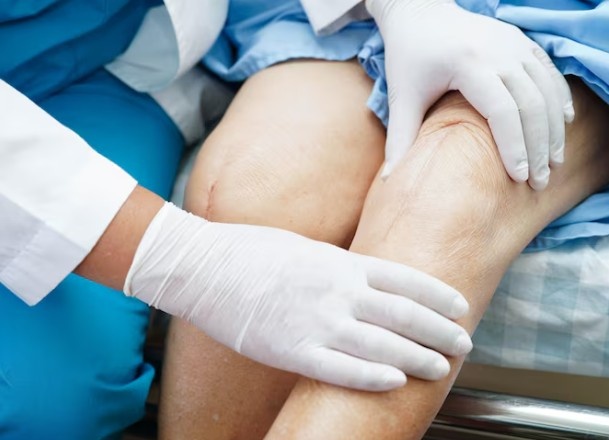
Recovering after Knee Replacement Surgery in Indore is a journey that requires patience, proper rehabilitation, and expert medical guidance. Many patients considering Knee Replacement Surgery in Indore often ask how long recovery takes and what they should expect after the procedure. While the surgery itself is an important milestone, the rehabilitation process plays an equally significant role in restoring mobility, reducing pain, and helping patients return to their daily routines.
Every individual’s recovery timeline is different. Factors such as age, overall health, the condition of the knee before surgery, and commitment to physiotherapy all influence the speed of healing. Understanding the recovery stages and following a structured rehabilitation plan can help achieve the best possible outcome.
Understanding Knee Replacement Surgery in Indore
Knee Replacement Surgery in Indore is a procedure performed to replace damaged or worn-out knee joint surfaces with artificial implants. It is generally recommended for individuals suffering from severe osteoarthritis, rheumatoid arthritis, traumatic knee injuries, or chronic knee pain that does not improve with medications or conservative treatments.
The primary goals of the surgery are to:
- Relieve chronic knee pain
- Improve joint movement
- Restore knee function
- Enhance quality of life
- Help patients regain independence
Modern surgical techniques, advanced implants, and minimally invasive approaches have made knee replacement safer and more effective than ever before.
What Happens Immediately After Surgery?
Recovery begins immediately after surgery. Most patients are encouraged to move the operated leg within a few hours after the procedure.
During the hospital stay, the healthcare team focuses on:
- Managing pain effectively
- Preventing blood clots
- Monitoring wound healing
- Helping patients stand and walk safely
- Beginning basic physiotherapy exercises
Depending on the patient’s health and recovery, hospital discharge usually occurs within 2 to 5 days.
Recovery Timeline After Knee Replacement Surgery in Indore
Recovery does not happen overnight. Instead, it progresses in stages.
Week 1: Early Recovery
The first week focuses on reducing swelling and pain while gradually improving movement.
Patients usually begin:
- Walking with support
- Gentle knee bending exercises
- Leg strengthening movements
- Breathing exercises to improve circulation
Some discomfort is expected, but it gradually decreases with medication and physiotherapy.
Weeks 2 to 6: Building Strength
During this period, mobility steadily improves.
Patients often experience:
- Better walking ability
- Reduced swelling
- Improved knee flexibility
- Greater confidence in daily activities
Physiotherapy sessions become more structured, emphasizing muscle strengthening and balance improvement.
Many patients can:
- Walk longer distances
- Climb stairs with assistance
- Perform light household activities
Driving may be possible after medical clearance, depending on the operated leg and recovery progress.
Weeks 6 to 12: Improved Function
This stage is when significant improvements become noticeable.
Patients usually regain:
- Better knee stability
- Increased range of motion
- Improved muscle strength
- Greater independence
Walking without support becomes easier for many individuals.
Regular exercises remain essential to maintain progress.
Three to Six Months: Advanced Recovery
By this stage, most patients enjoy a noticeable reduction in pain and improved joint function.
Many can comfortably:
- Walk for extended periods
- Perform daily household tasks
- Travel
- Return to office work
- Participate in low-impact recreational activities
Although recovery continues, most routine activities become much easier.
Six Months to One Year: Full Recovery
Complete healing and adaptation to the artificial joint may take up to one year.
During this period:
- Muscles become stronger
- Swelling continues to decrease
- Walking feels more natural
- Knee function improves further
Patients who consistently follow rehabilitation instructions generally achieve the best long-term outcomes.
Why Rehabilitation Is Essential After Knee Replacement Surgery in Indore
Successful surgery alone is not enough.
Rehabilitation helps:
- Restore joint movement
- Strengthen surrounding muscles
- Improve balance
- Reduce stiffness
- Prevent complications
- Increase confidence while walking
Skipping physiotherapy can slow recovery and reduce the overall success of surgery.
Important Rehabilitation Exercises
A structured rehabilitation program is tailored to each patient’s condition.
Common exercises include:
Ankle Pumps
These improve blood circulation and reduce the risk of blood clots.
Quadriceps Strengthening
Strong thigh muscles provide better support to the knee joint.
Exercises include:
- Quad sets
- Straight leg raises
- Mini squats (when advised)
Knee Bending Exercises
Gradually increasing knee flexibility helps restore normal movement.
Patients often perform:
- Heel slides
- Assisted knee bends
- Passive stretching
Walking Practice
Walking is one of the best rehabilitation activities after surgery.
Initially, patients use:
- Walker
- Crutches
- Walking stick
Support is gradually reduced as balance improves.
Balance and Coordination Training
These exercises reduce the risk of falls and improve confidence.
Examples include:
- Standing balance exercises
- Step training
- Controlled weight shifting
Tips to Speed Up Recovery
Following healthy habits can improve recovery significantly.
Stay Consistent with Physiotherapy
Regular exercise helps improve flexibility and muscle strength.
Follow Medication Instructions
Pain management allows patients to participate more comfortably in rehabilitation.
Maintain a Healthy Weight
Reducing excess body weight decreases stress on the artificial knee joint.
Eat a Nutritious Diet
Foods rich in:
- Protein
- Calcium
- Vitamin D
- Vitamin C
- Iron
support tissue repair and bone health.
Adequate hydration is equally important.
Avoid High-Impact Activities
Activities such as running, jumping, or heavy lifting should be avoided unless specifically recommended by the orthopedic surgeon.
Instead, patients can gradually participate in:
- Walking
- Cycling
- Swimming
- Light stretching
These exercises improve fitness without placing excessive stress on the knee.
Factors That Affect Recovery Time
Recovery varies from one patient to another.
Several factors influence healing, including:
- Age
- Overall fitness
- Bone quality
- Muscle strength before surgery
- Presence of diabetes or other medical conditions
- Commitment to rehabilitation
- Surgical technique
- Implant quality
Patients who remain active before surgery often recover more quickly afterward.
When Should You Contact Your Orthopedic Surgeon?
Although recovery usually progresses smoothly, patients should seek medical advice if they experience:
- Persistent fever
- Increasing redness around the incision
- Severe swelling
- Continuous wound discharge
- Sudden calf pain
- Difficulty breathing
- Severe uncontrolled pain
- Loss of knee movement
Early medical attention can prevent complications and support a safer recovery.
Long-Term Care After Knee Replacement
Recovery does not end after physiotherapy.
To maintain the health of the artificial joint:
- Continue regular low-impact exercise
- Attend scheduled follow-up appointments
- Maintain a healthy body weight
- Avoid excessive strain on the knee
- Wear supportive footwear
- Follow your surgeon’s recommendations
With proper care, modern knee implants can function effectively for many years, allowing patients to enjoy an active and comfortable lifestyle.
Conclusion
Recovering after Knee Replacement Surgery in Indore is a gradual process that combines expert surgical care with dedicated rehabilitation. While most patients notice significant improvement within three months, complete recovery may take up to a year. Consistent physiotherapy, healthy lifestyle choices, and regular follow-up appointments are essential for achieving the best possible results.
If persistent knee pain is limiting your mobility and affecting your quality of life, consulting an experienced orthopedic specialist can help you understand whether Knee Replacement Surgery in Indore is the right treatment option. Under the guidance of Dr. Aditya Lakhotia, patients receive comprehensive care before, during, and after surgery, ensuring a smoother recovery and helping them return to an active, pain-free life.
For More Information, Visit Now: https://share.google/7Gu44TxWRlP5NoXA4