
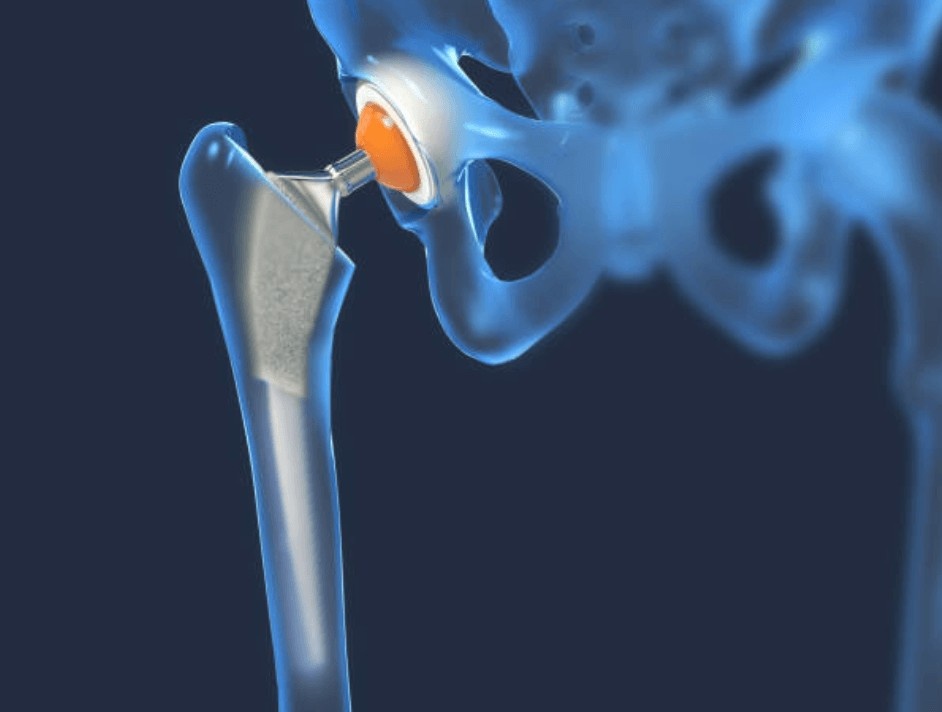
Hip pain can significantly impact daily life. Activities such as walking, climbing stairs, getting out of a chair, or even sleeping may become difficult when the hip joint is damaged. For patients experiencing severe hip arthritis, joint degeneration, or hip injuries, Hip Replacement Surgery in Indore can restore mobility, reduce pain, and improve overall quality of life.
Dr. Aditya Lakhotia specializes in modern orthopedic and joint replacement procedures, offering personalized treatment plans designed to help patients achieve long-term relief and better functional outcomes. Through advanced surgical techniques, careful preoperative planning, and comprehensive rehabilitation programs, Hip Replacement Surgery in Indore has become a highly successful solution for patients suffering from chronic hip problems.
What Is Hip Replacement Surgery?
Hip replacement surgery is a procedure in which damaged portions of the hip joint are removed and replaced with artificial implants. These implants are designed to mimic the natural movement of the hip joint while eliminating pain caused by damaged cartilage and bone.
The procedure is commonly recommended when conservative treatments such as medications, physiotherapy, lifestyle modifications, and injections no longer provide adequate relief.
Conditions That May Require Hip Replacement
Several medical conditions can lead to severe hip damage, including:
- Osteoarthritis
- Rheumatoid arthritis
- Avascular necrosis
- Hip fractures
- Post-traumatic arthritis
- Developmental hip dysplasia
- Severe joint degeneration
When these conditions significantly affect mobility and quality of life, Hip Replacement Surgery in Indore may be the most effective treatment option.
Direct Answer: How Does Dr. Aditya Lakhotia Improve Patient Outcomes?
Dr. Aditya Lakhotia focuses on better patient outcomes through:
- Detailed patient assessment
- Accurate diagnosis using advanced imaging
- Personalized surgical planning
- Modern implant selection
- Precision surgical techniques
- Minimally invasive approaches when appropriate
- Early mobilization after surgery
- Structured rehabilitation programs
- Long-term follow-up care
This comprehensive approach helps reduce complications, improve mobility, and enhance overall patient satisfaction.
Comprehensive Evaluation Before Surgery
Successful Hip Replacement Surgery in Indore begins long before the operation itself.
Detailed Clinical Assessment
Dr. Aditya Lakhotia carefully evaluates:
- Pain severity
- Walking ability
- Joint stiffness
- Limb alignment
- Existing medical conditions
- Previous surgeries
Understanding the patient’s overall health helps create a customized treatment plan.
Advanced Diagnostic Imaging
Modern imaging plays a crucial role in surgical planning.
Common investigations include:
- Digital X-rays
- CT scans when required
- MRI scans for complex cases
- Bone quality assessment
These diagnostic tools help determine the extent of joint damage and assist in selecting the most appropriate surgical approach.
Personalized Surgical Planning
No two patients have identical hip anatomy.
A major reason why Hip Replacement Surgery in Indore achieves favorable outcomes is personalized planning. Implant size, positioning, alignment, and surgical strategy are tailored to each patient.
Proper planning can:
- Improve implant longevity
- Enhance joint stability
- Reduce postoperative complications
- Improve walking mechanics
Advanced Surgical Techniques Used
Minimally Invasive Hip Replacement
Whenever suitable, minimally invasive techniques may be utilized.
Benefits may include:
- Smaller incisions
- Reduced tissue damage
- Less blood loss
- Faster recovery
- Reduced postoperative pain
Precision Implant Placement
Correct implant positioning is critical.
Improper placement can lead to:
- Joint instability
- Implant wear
- Dislocation risk
- Reduced implant lifespan
Dr. Aditya Lakhotia emphasizes precision during every stage of the procedure to maximize long-term success.
Step-by-Step Overview of Hip Replacement Surgery
Step 1: Preoperative Preparation
- Medical evaluation
- Blood investigations
- Imaging studies
- Anesthesia assessment
Step 2: Removal of Damaged Joint
The damaged cartilage and bone are carefully removed from the hip joint.
Step 3: Implant Placement
Artificial components are positioned to recreate normal hip movement.
Step 4: Stability Testing
The new joint is tested for stability, alignment, and range of motion.
Step 5: Closure and Recovery
The incision is closed, and the patient begins a monitored recovery program.
Comparison: Before and After Hip Replacement
| Aspect | Before Surgery | After Successful Surgery |
|---|---|---|
| Pain | Severe and persistent | Significant reduction |
| Walking | Limited mobility | Improved movement |
| Sleep Quality | Frequently disturbed | Better rest |
| Daily Activities | Restricted | Greater independence |
| Joint Function | Stiff and painful | Improved flexibility |
| Quality of Life | Reduced | Enhanced |
Common Problems Patients Experience Before Surgery
Patients often seek Hip Replacement Surgery in Indore because they struggle with:
- Chronic hip pain
- Difficulty walking
- Stiffness after rest
- Trouble climbing stairs
- Reduced participation in daily activities
- Limping
- Sleep disturbances
- Dependency on pain medications
These symptoms often worsen over time if left untreated.
Benefits of Hip Replacement Surgery in Indore
Significant Pain Relief
Most patients experience substantial reduction in pain after recovery.
Improved Mobility
Walking, standing, and climbing stairs become easier.
Better Quality of Life
Patients can return to many daily activities with improved comfort.
Enhanced Independence
Reduced reliance on family members and mobility aids.
Long-Term Results
Modern implants are designed to provide durable performance when properly maintained.
Potential Risks and Limitations
Like any surgical procedure, hip replacement carries certain risks.
These may include:
- Infection
- Blood clots
- Implant loosening
- Joint dislocation
- Nerve injury
- Implant wear over time
Careful surgical technique, patient selection, and postoperative care help minimize these risks.
Expert Insights from Dr. Aditya Lakhotia
One of the most important factors influencing success after Hip Replacement Surgery in Indore is patient participation in rehabilitation.
Patients who actively engage in:
- Physiotherapy
- Strengthening exercises
- Walking programs
- Follow-up visits
often experience better functional recovery and long-term satisfaction.
Real-Life Example
Consider a patient with advanced hip osteoarthritis who struggled to walk even short distances due to severe pain.
After comprehensive evaluation and Hip Replacement Surgery in Indore, the patient gradually progressed through rehabilitation. Within a few months, daily activities such as walking, shopping, and climbing stairs became significantly easier.
This example illustrates how proper diagnosis, surgical expertise, and rehabilitation work together to improve outcomes.
Why Choose Dr. Aditya Lakhotia for Hip Replacement Surgery in Indore?
Patients often seek Dr. Aditya Lakhotia because of:
- Specialized orthopedic expertise
- Personalized treatment planning
- Advanced surgical techniques
- Focus on patient education
- Comprehensive rehabilitation guidance
- Commitment to long-term outcomes
The goal is not only to replace a damaged joint but also to help patients regain confidence and mobility.
Frequently Asked Questions
How long does recovery take after hip replacement surgery?
Most patients begin walking within a short period after surgery. Full recovery varies but often takes several weeks to months depending on individual health and rehabilitation.
Is hip replacement surgery painful?
Pain is carefully managed during and after surgery. Most patients report significant improvement compared to their preoperative pain.
How long do hip implants last?
Modern implants can last many years, often 15–20 years or longer depending on patient activity and implant type.
Can elderly patients undergo hip replacement surgery?
Yes. Many older adults successfully undergo hip replacement when medically fit and appropriately evaluated.
When should I consider hip replacement surgery?
If hip pain significantly limits daily activities and conservative treatments no longer provide relief, a specialist evaluation may be beneficial.
Conclusion
Hip Replacement Surgery in Indore has transformed the lives of countless patients suffering from severe hip pain, arthritis, and mobility limitations. Successful outcomes depend on accurate diagnosis, personalized surgical planning, advanced surgical techniques, proper implant selection, and dedicated rehabilitation.
Dr. Aditya Lakhotia follows a patient-centered approach that focuses on every stage of treatment—from initial consultation to long-term recovery. By combining orthopedic expertise with modern joint replacement techniques, he helps patients achieve better mobility, reduced pain, improved function, and a higher quality of life.
Author Bio
Dr. Aditya Lakhotia is an experienced orthopedic and joint replacement specialist associated with Hip & Knee Ortho, Indore. He specializes in advanced joint replacement procedures, sports injury management, fracture care, and comprehensive orthopedic treatment. His approach focuses on evidence-based care, personalized treatment planning, and helping patients return to an active and pain-free lifestyle.
For More Information, Visit Now: https://share.google/7Gu44TxWRlP5NoXA4