
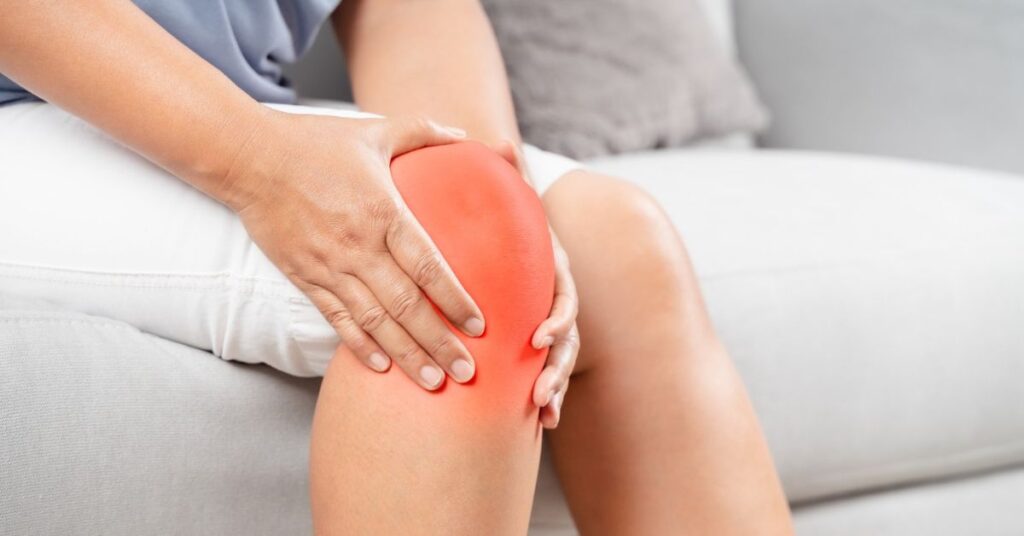
Knee pain is one of the most common orthopedic problems affecting people of all ages. It can develop due to arthritis, muscle weakness, injuries, obesity, aging, or long hours of sitting and inactivity. Many people avoid physical activity when they experience knee discomfort, but in many cases, regular walking can actually help reduce knee pain and improve joint function. If your pain continues for a long time or affects your daily routine, consulting an experienced orthopedic doctor in Indore can help identify the exact cause and provide the right treatment.
How Walking Benefits Knee Health
Walking is a low-impact exercise that helps improve blood circulation, strengthen muscles around the knee joint, and maintain flexibility. Regular movement prevents stiffness and helps keep the joints active, which is especially important for people with mild arthritis or early-stage knee problems. Walking also helps lubricate the knee joint naturally, allowing smoother movement and reducing discomfort during daily activities.
Strengthens Supporting Muscles
The muscles around the knees, especially the quadriceps, hamstrings, and calf muscles, play a major role in supporting joint stability. Regular walking helps strengthen these muscles, which reduces pressure on the knee joint and improves balance and mobility. Stronger muscles can also lower the risk of future injuries and help patients perform daily activities more comfortably.
Helps with Weight Management
Excess body weight places additional stress on the knees, especially during walking, climbing stairs, or standing for long periods. Maintaining a healthy weight is important for reducing knee pain and preventing further joint damage. Walking regularly helps burn calories, improves metabolism, and supports healthy weight management, which can significantly reduce pressure on the knees over time.
Improves Joint Flexibility
Lack of movement can make knee joints stiff and painful, especially in older adults or people with sedentary lifestyles. Walking helps improve flexibility and keeps the joints moving naturally. Consistent walking may reduce morning stiffness and improve overall mobility, making daily movements easier and more comfortable.
Walking Tips for Knee Pain
People experiencing knee pain should start slowly and avoid overexertion. Walking on flat surfaces, wearing supportive footwear, maintaining good posture, and taking short walks initially can help prevent additional strain on the knees. Gradually increasing walking time and combining it with stretching exercises may further improve joint health and mobility.
When Walking May Not Be Enough
Although walking is beneficial for many people, severe knee pain, swelling, instability, or difficulty in movement may indicate underlying orthopedic conditions such as advanced arthritis, ligament injuries, or cartilage damage. In such cases, proper medical evaluation is important to prevent worsening of symptoms and to receive the right treatment at the right time.
Importance of Early Orthopedic Consultation
Ignoring persistent knee pain can lead to reduced mobility and long-term joint damage. Early diagnosis helps identify the root cause of the problem and allows timely treatment through medications, physiotherapy, lifestyle changes, or advanced orthopedic procedures if required. Consulting an experienced orthopedic doctor in Indore can help patients receive personalized treatment plans for effective pain relief and improved knee function.
Walking is one of the simplest and most effective low-impact exercises for maintaining knee health and reducing mild to moderate knee pain. Regular walking improves flexibility, strengthens muscles, supports weight management, and helps maintain active joints. However, persistent or severe pain should never be ignored. If you are struggling with knee discomfort, arthritis, or mobility issues, consult Dr. Aditya Lakhotia for expert orthopedic care in Indore.