
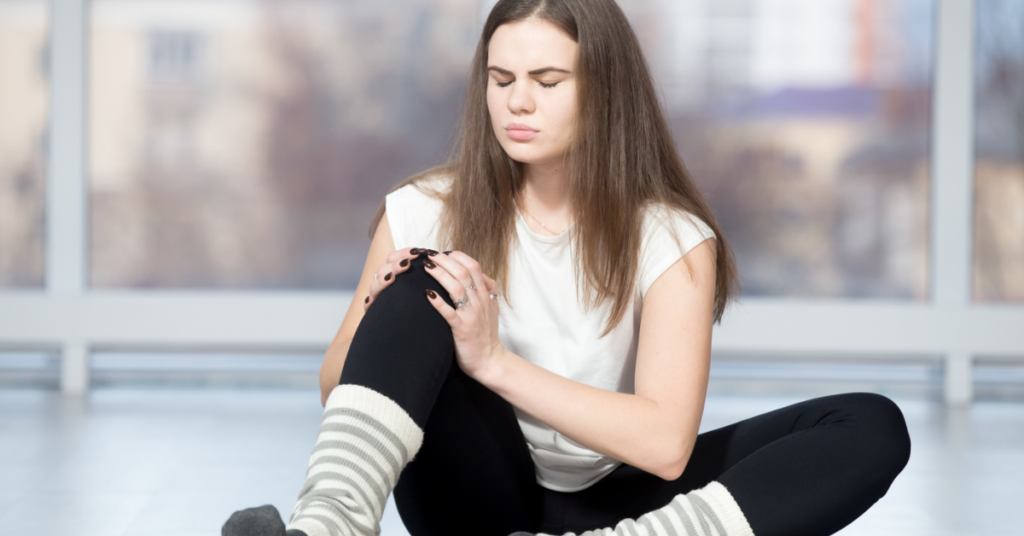
Have you ever stood up after sitting at your desk, watching TV, or driving for a while and noticed a sharp pain or stiffness in your knee? You’re not alone. Many people experience knee pain after sitting, especially as they get older or if they have an underlying joint condition. While occasional discomfort may not be a cause for concern, persistent or worsening pain should not be ignored. Consulting an Orthopedic Doctor in Indore can help identify the underlying cause and ensure you receive the right treatment before the condition progresses.
Why Does My Knee Hurt After Sitting?
When you remain seated for a long time, your knee stays in a bent position with limited movement. During this period, the muscles around the joint may become tight, and the natural lubricating fluid inside the knee does not circulate as effectively. As a result, the first few steps after standing can feel stiff or painful.
If you already have an underlying condition such as arthritis or a previous injury, the discomfort may be even more noticeable. It’s important to remember that knee pain is a symptom, not a disease, and identifying its cause is the first step toward effective treatment.
Common Causes Of Knee Pain When Standing Up
Several conditions can lead to pain in the knee while standing up after sitting.
Osteoarthritis
Osteoarthritis knee is one of the most common causes of knee pain in older adults. The protective cartilage gradually wears away, causing stiffness, pain, and reduced movement, particularly after periods of inactivity.
Patellofemoral Pain Syndrome (Runner’s Knee)
This condition occurs when the kneecap does not move smoothly over the thigh bone. It often causes pain around the front of the knee, especially after sitting for a long time or climbing stairs.
Tendonitis
Inflammation of the tendons around the knee can develop due to repetitive activities or overuse, making the joint painful when moving from sitting to standing.
Meniscus Tear
A meniscus injury affects the cartilage that cushions the knee. It may cause pain, swelling, clicking, or locking of the joint.
Ligament Injuries
A knee ligament injury can occur after sports activities, falls, or sudden twisting movements. Even old ligament injuries may continue to cause discomfort years later.
Muscle Weakness
Weak thigh and hip muscles reduce support for the knee, placing extra stress on the joint during movement.
Obesity
Excess body weight increases pressure on the knee joint, contributing to pain, stiffness, and faster joint wear.
Previous Knee Injuries
Past fractures, ligament tears, or surgeries can change how the knee functions, increasing the risk of ongoing discomfort.
Bursitis
Inflammation of the fluid-filled sacs that cushion the knee can cause pain, swelling, and tenderness.
Age-Related Wear And Tear
As we age, natural changes in cartilage, muscles, and ligaments can contribute to knee stiffness and discomfort.
Risk Factors That Increase Knee Pain
Certain factors make knee problems more likely, including:
- Aging
- Sedentary lifestyle
- Long hours of sitting
- Obesity
- Weak thigh muscles
Reducing these risk factors can help lower your chances of developing chronic knee pain.
When Should You See An Orthopedic Doctor?
Although occasional stiffness may improve with movement, some symptoms require prompt medical attention from an Orthopedic Doctor in Indore.
Seek evaluation if you experience:
- Pain lasting more than a few weeks
- Swelling around the knee
- Difficulty walking
- Knee locking or catching
- Instability or the knee giving way
Early diagnosis can help prevent further joint damage and improve treatment outcomes.
How An Orthopedic Doctor Diagnoses Knee Pain
A proper knee pain diagnosis begins with understanding your symptoms and medical history.
Your orthopedic doctor may perform:
- A detailed medical history
- Physical examination
- Assessment of knee movement and flexibility
- Walking (gait) evaluation
- X-rays to evaluate bones and arthritis
This comprehensive assessment helps determine the exact cause of your symptoms.
Treatment Options For Knee Pain
Treatment depends entirely on the underlying diagnosis. Not every patient with knee pain requires surgery.
Depending on your condition, your doctor may recommend:
- Activity modification
- Physiotherapy
- Strengthening exercises for the thigh and leg muscles
- Weight management
- Pain-relieving medications
A personalized treatment plan offers the best chance for symptom relief and improved mobility.
Tips To Prevent Knee Pain After Sitting
Simple daily habits can help reduce knee stiffness after sitting:
- Avoid sitting continuously for long periods
- Stand up and stretch every 30–60 minutes
- Strengthen your thigh and leg muscles
- Maintain a healthy body weight
- Wear supportive footwear
These measures can improve joint health and reduce strain on your knees.
Experiencing knee pain after sitting is common, but frequent or persistent discomfort should never be ignored. Since many different conditions can cause knee pain, self-diagnosis may delay the right treatment. An accurate evaluation helps identify the underlying problem and guides appropriate care. If you’re experiencing ongoing knee pain after sitting, consult an Orthopedic Doctor in Indore for a thorough assessment and a personalized treatment plan that suits your needs.
FAQs
After prolonged sitting, the knee joint may become stiff due to reduced movement and temporary muscle tightness. Conditions such as osteoarthritis, patellofemoral pain syndrome, tendonitis, or previous injuries can make the discomfort more noticeable when you first stand up.
It can be, but not always. Osteoarthritis is a common cause of stiffness after inactivity, especially in older adults. However, tendon problems, muscle weakness, meniscus injuries, or kneecap-related conditions can also produce similar symptoms. A proper medical evaluation is important.
Yes. Sitting for extended periods keeps the knee in a bent position, which can lead to temporary stiffness and reduced joint lubrication. Regular stretching, standing breaks, and strengthening exercises can help reduce stiffness and improve knee function.
You should consult an orthopedic doctor if knee pain lasts more than a few weeks, worsens over time, causes swelling, instability, locking, difficulty walking, or develops after an injury. Prompt evaluation helps identify the cause and prevent further joint damage.
Take frequent breaks from sitting, perform gentle stretching exercises, strengthen your thigh muscles, maintain a healthy weight, wear supportive footwear, and stay physically active. If pain persists despite these measures, seek professional medical advice for an accurate diagnosis and appropriate treatment.