
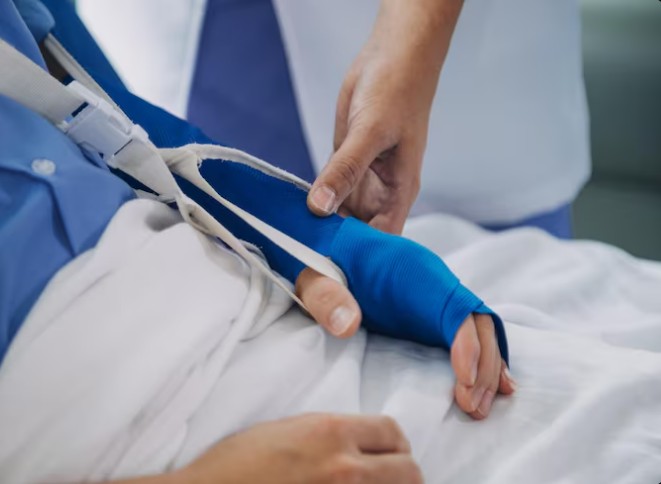
When a fracture requires surgery, the goal is to restore bone alignment, provide stability, and help the patient return to normal movement. However, successful recovery after Fracture Surgery in Indore depends on more than the surgical procedure itself. Factors such as the type of fracture, blood supply, nutrition, smoking, diabetes, infection, bone quality, and following rehabilitation advice can all influence how quickly and effectively a bone heals. Understanding these factors can help patients take an active role in their recovery.
How Does Bone Healing Happen After Fracture Surgery?
Bone healing is a gradual biological process. After surgery, the body begins repairing the damaged bone and surrounding tissues. New tissue develops around the fracture, followed by the formation and strengthening of new bone.
The time required for healing varies from person to person. The location and severity of the fracture, age, general health, bone quality, and treatment method can all make a difference. Some fractures may heal relatively quickly, while complex fractures can require considerably more time.
After Fracture Surgery in Indore, regular follow-up appointments allow the orthopaedic surgeon to monitor healing through clinical assessment and, when appropriate, imaging.
1. Type and Severity of the Fracture
Not every fracture has the same healing potential.
A simple fracture with good alignment may heal differently from a complex, displaced, comminuted, or open fracture. Open fractures can have greater soft-tissue damage and a higher risk of infection, which may complicate recovery.
The location of the fracture also matters. Some areas of the body have a better blood supply than others. Adequate blood flow is important because healing tissues require oxygen and nutrients.
2. Quality of Surgical Fixation
Surgery may involve plates, screws, nails, or other fixation methods to hold fractured bone fragments in the appropriate position.
Stable fixation can provide the mechanical environment needed for healing. However, the appropriate fixation method depends on the fracture pattern, bone quality, location, and individual patient factors.
Following weight-bearing restrictions after Fracture Surgery in Indore is particularly important. Putting excessive stress on the healing bone before the surgeon allows it can affect stability and recovery.
3. Nutrition and Bone Health
The body needs adequate nutrients to repair bone and soft tissues. A balanced diet containing sufficient protein, calcium, vitamin D, iron, fruits, vegetables, and other essential nutrients can support recovery.
Vitamin D is particularly important for bone health because it helps the body absorb calcium.
Patients recovering from Fracture Surgery in Indore should discuss their nutritional requirements with their doctor, especially if they have poor appetite, nutritional deficiencies, or other medical conditions.
Supplements should not be started routinely without medical advice. If a deficiency is suspected, a healthcare professional may recommend appropriate testing and treatment.
4. Smoking and Nicotine
Smoking is an important factor that can negatively affect bone and wound healing. Nicotine can interfere with blood supply and tissue healing, potentially increasing the risk of delayed healing and complications.
For this reason, avoiding smoking during fracture recovery is strongly recommended. Patients should also discuss vaping and nicotine use with their healthcare provider because nicotine exposure can also affect healing.
If you are planning Fracture Surgery in Indore, stopping smoking before and after surgery can be an important part of preparing for recovery.
5. Diabetes and Other Medical Conditions
Existing health conditions can influence recovery after fracture surgery.
Poorly controlled diabetes, for example, can contribute to delayed wound healing and increase the risk of complications.
Other conditions, such as poor circulation, osteoporosis, chronic illness, or nutritional deficiencies, may also affect recovery. Your surgeon may consider your overall health while planning treatment and follow-up care.
Keeping conditions such as diabetes under appropriate medical control can therefore be an important part of fracture recovery.
6. Infection After Surgery
Infection can interfere with the normal healing process and may require additional treatment. Bone infection can sometimes occur following a fracture or surgery and may require antibiotics, further procedures, or both.
Patients should follow wound-care instructions carefully and contact their healthcare team if they notice concerning symptoms such as increasing redness, warmth, swelling, drainage, fever, or worsening pain.
Early medical assessment can help identify complications before they become more difficult to manage.
7. Following Weight-Bearing Instructions
After surgery, patients are often given specific instructions regarding how much weight they can place on the affected limb.
These instructions are individualized. Some patients may be allowed to bear weight relatively early, while others may need crutches, a walker, or restricted weight-bearing for a period of time.
Ignoring these instructions and putting excessive stress on the surgical site may interfere with the stability of the fracture fixation.
8. Physiotherapy and Rehabilitation
Healing is not only about the bone joining together. Muscles and joints can become weak and stiff when movement is restricted.
Once the surgeon considers it appropriate, physiotherapy may help restore:
- Joint movement
- Muscle strength
- Balance
- Walking ability
- Functional mobility
- Confidence during daily activities
The rehabilitation programme should match the fracture and surgical procedure. Exercises should be performed according to the advice of the treating orthopaedic team rather than increased suddenly.
9. Bone Quality and Osteoporosis
Bone quality can also affect fracture recovery. Osteoporosis reduces bone strength and can make certain fractures more likely, particularly in older adults.
If a fracture occurs after a relatively minor fall, particularly in an older adult, the doctor may consider whether an underlying bone-health problem should be evaluated.
Managing bone health can be an important part of preventing future fractures.
When Should You Contact Your Orthopaedic Surgeon?
Recovery does not always progress at exactly the same speed for every patient. However, certain symptoms should not be ignored.
Contact your healthcare provider if you experience:
- Increasing rather than improving pain
- Significant swelling
- Redness or warmth around the wound
- Fluid or pus-like discharge
- Fever
- New weakness or numbness
- Problems moving the affected limb
- Difficulty following weight-bearing instructions
Your orthopaedic surgeon can determine whether these symptoms are part of normal recovery or require further evaluation.
How Can You Support Recovery After Fracture Surgery?
Patients can support recovery by following their surgeon’s instructions closely. This includes attending follow-up appointments, taking prescribed medicines as directed, maintaining a nutritious diet, avoiding smoking, controlling existing health conditions, protecting the operated area, and completing recommended physiotherapy.
Most importantly, patients should avoid comparing their recovery timeline with someone else’s. Fracture healing depends on several individual factors, and your surgeon can assess your progress based on your specific injury.
Conclusion
Successful recovery after Fracture Surgery in Indore depends on a combination of surgical treatment, bone biology, overall health, and patient participation. The type of fracture, fixation stability, nutrition, smoking, diabetes, infection, bone quality, weight-bearing, and rehabilitation can all influence the healing process.
Following professional medical advice and attending scheduled follow-ups can help identify potential problems and support a safe return to normal activity. If you have concerns about fracture healing after surgery, an orthopaedic evaluation can help determine the next appropriate step.
Frequently Asked Questions
1. How long does a fracture take to heal after surgery?
Healing time varies according to the bone involved, fracture pattern, patient age, bone quality, health conditions, and type of fixation. Your surgeon can estimate the expected timeline for your specific fracture.
2. Does smoking delay fracture healing?
Yes. Smoking and nicotine exposure can negatively affect blood flow and tissue healing and may increase the risk of delayed or incomplete bone healing.
3. Can diabetes affect fracture recovery?
Poorly controlled diabetes can contribute to delayed wound healing and other complications. Appropriate blood-sugar management is therefore important during recovery.
4. Is physiotherapy necessary after fracture surgery?
Physiotherapy may be recommended to restore movement, strength, balance, and function. The timing and type of exercises depend on the fracture and surgical procedure.
5. What can I do to support bone healing after surgery?
Follow your surgeon’s instructions, maintain a balanced diet, avoid smoking, manage existing health conditions, follow weight-bearing restrictions, attend follow-up appointments, and complete prescribed rehabilitation.
For More Information, Visit Now: https://share.google/7Gu44TxWRlP5NoXA4