
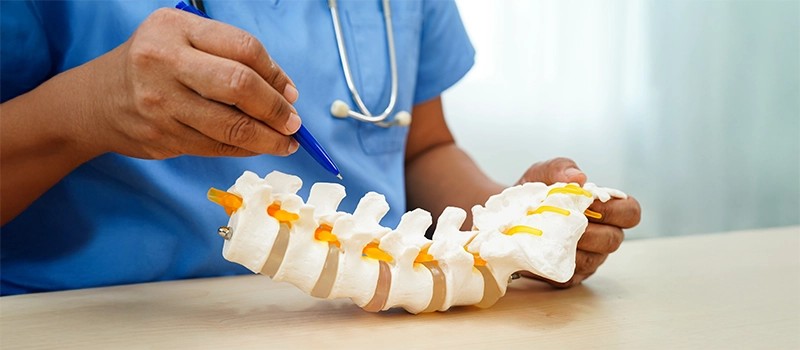
Joint pain, back pain, stiffness, and bone injuries can affect your daily routine. Even simple activities, such as walking, climbing stairs, or getting out of bed, may become difficult. Choosing the right Orthopedic Doctor in Indore can help you understand the cause of your symptoms and explore suitable treatment options.
An orthopedic doctor specializes in conditions affecting bones, joints, muscles, ligaments, and tendons. The right specialist can assess your symptoms, recommend appropriate investigations, and develop a treatment plan based on your individual needs.
However, not every orthopedic condition requires surgery. Many problems can be managed with medication, physiotherapy, lifestyle changes, or other non-surgical treatments. Knowing what to look for when choosing a specialist can help you make an informed decision.
1. Check the Doctor’s Qualifications and Experience
The first step is to check the doctor’s medical qualifications, orthopedic training, and clinical experience. These factors can help you understand whether the doctor has the relevant expertise to evaluate your condition.
Some orthopedic doctors focus on general bone and joint problems. Others have additional experience in areas such as hip replacement, knee replacement, sports injuries, or trauma care.
Before scheduling an appointment, consider these points:
- Verify the doctor’s qualifications and professional registration.
- Check their experience with your specific condition.
- Look for relevant specialist training.
- Ask about the treatment options they commonly recommend.
An experienced orthopedic specialist should explain your diagnosis clearly and help you understand the available options.
2. Choose an Orthopedic Doctor Who Treats Your Specific Condition
Orthopedic problems can have different causes. For example, knee pain may develop because of osteoarthritis, a ligament injury, cartilage damage, or overuse.
Similarly, hip pain may be related to arthritis, muscle strain, an injury, or another medical condition.
When searching for an Orthopedic Doctor in Indore, consider whether the specialist regularly evaluates and treats your particular problem.
Common orthopedic conditions include:
- Knee pain and knee osteoarthritis
- Hip pain and hip joint disorders
- Fractures and bone injuries
- Ligament and tendon injuries
- Shoulder pain and restricted movement
- Joint stiffness and mobility problems
- Degenerative bone and joint conditions
A doctor familiar with your condition can help identify the likely cause and recommend an appropriate management plan.
3. Understand the Available Treatment Options
A good orthopedic consultation should focus on your diagnosis, symptoms, lifestyle, and treatment goals. Surgery may be necessary for some conditions, but it is not the only option.
Depending on the diagnosis, treatment may include medication, physiotherapy, activity modification, supportive devices, or surgical intervention.
For example, mild knee osteoarthritis may initially be managed with appropriate exercise, weight management when needed, and pain-relief strategies recommended by a healthcare professional. Advanced joint damage may require an assessment for joint replacement.
Before choosing an orthopedic specialist, ask whether they explain both surgical and non-surgical options when clinically appropriate.
The goal is to find a treatment approach that addresses your condition while considering your overall health and daily activities.
4. Consider Experience in Hip and Knee Problems
Hip and knee conditions can significantly affect walking, balance, and independence. Persistent pain in these joints deserves proper evaluation, especially when it interferes with everyday activities.
A specialist experienced in hip and knee disorders may assess joint movement, muscle strength, walking patterns, previous injuries, and imaging results.
For patients with advanced joint damage, the doctor may discuss whether hip or knee replacement is appropriate. This decision depends on several factors, including pain severity, functional limitations, imaging findings, overall health, and response to earlier treatments.
If you are looking for an Orthopedic Doctor in Indore for hip or knee problems, ask about the doctor’s experience with your condition and how treatment decisions are made.
A clear explanation of expected benefits, possible risks, recovery time, and rehabilitation can help you prepare for treatment.
5. Look for Clear Communication and Personalized Care
Good communication is an important part of orthopedic treatment. You should feel comfortable explaining your symptoms, asking questions, and discussing concerns about recovery.
During your consultation, notice whether the doctor:
- Listens carefully to your symptoms and medical history.
- Explains the diagnosis in simple language.
- Discusses the purpose of recommended tests.
- Explains the benefits and risks of treatment.
- Answers questions about recovery and follow-up care.
Every patient has different needs. Age, activity level, existing medical conditions, and personal goals can influence treatment decisions.
A personalized approach helps ensure that the treatment plan is appropriate for your circumstances rather than based on a one-size-fits-all method.
6. Check Diagnostic and Rehabilitation Support
Accurate diagnosis is essential for effective orthopedic care. Depending on your symptoms, the doctor may recommend an X-ray, MRI, blood tests, or other investigations.
Not every patient needs advanced imaging. The appropriate tests depend on the clinical examination and suspected condition.
Rehabilitation is also important, particularly after fractures, ligament injuries, and joint replacement surgery. Physiotherapy may help improve strength, flexibility, balance, and mobility.
Before choosing a clinic or specialist, ask how follow-up appointments and rehabilitation are coordinated.
A well-planned recovery process can help you understand your progress and address difficulties that arise during treatment.
7. Consider Accessibility and Follow-Up Care
Orthopedic treatment sometimes involves several appointments, especially when rehabilitation or long-term management is required. Therefore, practical considerations matter.
Look for a clinic that is reasonably accessible and provides clear information about appointment scheduling, consultation fees, diagnostic arrangements, and follow-up visits.
If surgery is recommended, ask where it will be performed, what facilities are available, and how postoperative care will be managed.
These details can help you plan your treatment more confidently and reduce avoidable stress.
8. Know When to Seek Orthopedic Medical Advice
You should consider consulting an orthopedic specialist if joint pain persists, movement becomes restricted, swelling repeatedly occurs, or an injury does not improve as expected.
Early assessment may help identify the cause and prevent unnecessary delays in treatment.
Seek urgent medical care if you experience a suspected fracture, a visibly deformed joint after an injury, or an inability to bear weight following significant trauma. A hot, swollen joint accompanied by fever also requires urgent assessment because it may indicate an infection.
Do not ignore severe or worsening symptoms in the hope that they will resolve on their own.
Why Choose Dr. Aditya Lakhotia for Orthopedic Consultation?
When selecting an orthopedic specialist, focus on relevant qualifications, experience, clear communication, and a treatment approach suited to your condition.
Dr. Aditya Lakhotia is associated with hipandkneeortho.com. Patients considering an orthopedic consultation can review the website for available services, professional information, and appointment details.
Whether you are experiencing hip pain, knee discomfort, joint stiffness, or another musculoskeletal concern, a proper clinical evaluation is an important first step. Discuss your symptoms, treatment preferences, and recovery goals during your consultation.
The right treatment depends on an accurate diagnosis and an individualized assessment. Avoid choosing a doctor based only on advertising claims or promises of guaranteed results.
Conclusion
Choosing the right Orthopedic Doctor in Indore involves more than finding a nearby clinic. You should consider the doctor’s qualifications, experience with your condition, communication style, treatment options, diagnostic support, and follow-up care.
Whether you are dealing with arthritis, a sports injury, a fracture, or persistent hip and knee pain, timely medical advice can help you understand your options. Ask questions, discuss your concerns, and make treatment decisions in consultation with a qualified orthopedic professional.
Taking these steps can help you choose appropriate care and work toward better mobility, comfort, and quality of life.
FAQs
1. What Does an Orthopedic Doctor in Indore Treat?
An orthopedic doctor diagnoses and treats conditions affecting bones, joints, muscles, ligaments, and tendons. These may include arthritis, fractures, knee pain, hip disorders, sports injuries, and mobility problems.
2. When Should I Consult an Orthopedic Doctor for Joint Pain?
Consider a consultation if joint pain persists, limits daily activities, causes stiffness, or is accompanied by recurring swelling. Severe pain or an injury that prevents you from bearing weight may require urgent medical assessment.
3. Do All Orthopedic Problems Require Surgery?
No. Many orthopedic conditions can be managed with non-surgical treatments, such as physiotherapy, medication, activity modification, and appropriate exercise. Surgery may be considered when it is clinically indicated.
4. How Do I Choose a Doctor for Hip or Knee Replacement?
Review the doctor’s relevant qualifications and experience, ask about the expected benefits and risks, and discuss rehabilitation, recovery time, and follow-up care. The decision to undergo replacement surgery should follow an individualized clinical assessment.
5. What Should I Bring to My First Orthopedic Appointment?
Bring previous X-rays or MRI scans, relevant medical reports, a list of current medications, information about previous treatments, and notes about your symptoms. These details can help the doctor assess your condition more effectively.
For More Information, Visit Now: https://share.google/7Gu44TxWRlP5NoXA4