
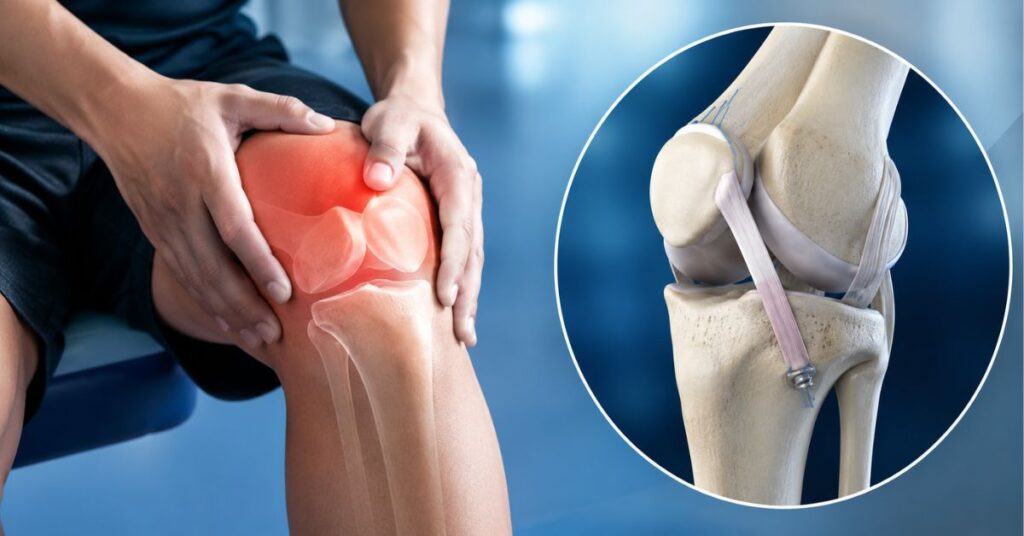
Kneecap dislocation, also known as patellar dislocation, occurs when the kneecap (patella) moves out of its normal position. It is commonly caused by sports injuries, sudden twisting movements, falls, or a direct blow to the knee. While some first-time dislocations can improve with rest, medication, bracing, and physiotherapy, repeated dislocations may require further treatment.
What Causes Kneecap Dislocation?
The kneecap is supported by several ligaments and muscles that help keep it stable. The medial patellofemoral ligament (MPFL) is particularly important because it helps prevent the kneecap from moving too far outward. When the MPFL is damaged during a dislocation, the knee may become unstable and more prone to repeated episodes.
When Is MPFL Reconstruction Considered?
MPFL reconstruction may be considered when the kneecap repeatedly dislocates despite appropriate non-surgical treatment. It may also be recommended when there is significant MPFL damage or persistent instability affecting daily activities, exercise, or sports.
Some common situations in which a doctor may consider MPFL reconstruction include:
- Recurrent kneecap dislocations
- Persistent feeling of knee instability
- Significant MPFL injury
- Failure of physiotherapy and bracing to control instability
- Difficulty returning to sports because of repeated dislocation
The decision for surgery depends on the individual’s symptoms, knee structure, previous injuries, physical examination, and imaging results.
What Happens During MPFL Reconstruction?
During MPFL reconstruction, the damaged ligament is reconstructed using a suitable graft to help restore stability to the kneecap. The exact surgical approach depends on the patient’s condition and any associated abnormalities around the knee.
Before recommending surgery, an orthopedic specialist may evaluate the kneecap alignment, ligament condition, bone structure, and history of previous dislocations.
Recovery After MPFL Reconstruction
Recovery varies from person to person. Rehabilitation usually includes a structured physiotherapy program to restore knee movement, strength, balance, and stability. Gradual progression is important before returning to running, jumping, or sports activities.
Following the prescribed rehabilitation plan can help improve knee function and reduce the risk of future instability.
When Should You See an Orthopedic Specialist?
If you have experienced repeated kneecap dislocation, persistent knee instability, or difficulty performing normal activities because your kneecap feels like it may slip out, an orthopedic evaluation is recommended.
If you are looking for MPFL Reconstruction Surgery in Indore, consult an experienced orthopedic specialist for a proper assessment and personalized treatment plan. Early evaluation can help determine whether physiotherapy and other non-surgical measures are appropriate or whether surgical stabilization may be required.