Knee ligament injuries can affect walking, sports, exercise, and even simple daily activities. When a ligament is severely torn or the knee remains unstable despite non-surgical treatment, Ligament Surgery in Indore may be considered. The type of surgery depends on the injured ligament, severity of the tear, associated injuries, activity level, and overall knee function. Modern arthroscopic techniques can help restore stability while limiting the size of surgical incisions.
Understanding Knee Ligament Injuries
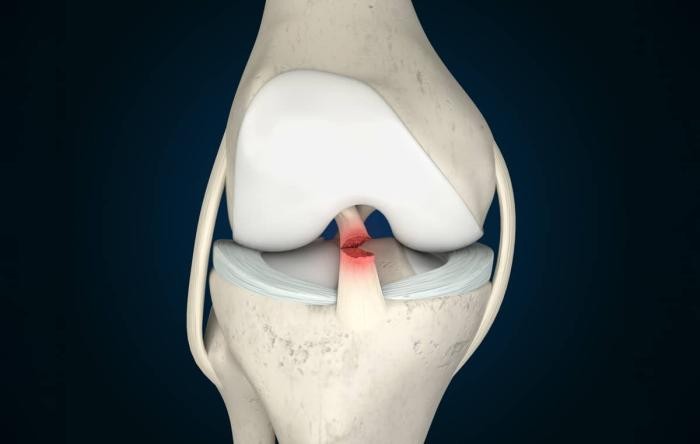
Ligaments are strong bands of connective tissue that connect bones and help stabilise the knee joint. The four major knee ligaments are the anterior cruciate ligament (ACL), posterior cruciate ligament (PCL), medial collateral ligament (MCL), and lateral collateral ligament (LCL).
A ligament injury can happen during sports, a sudden twist, a fall, road accident, or direct impact to the knee.
Common symptoms include:
- Knee pain and swelling
- A popping sensation during injury
- Difficulty walking or putting weight on the leg
- Reduced knee movement
- A feeling that the knee may give way
- Difficulty returning to sports or physical activities
A proper clinical examination is important because ligament injuries can occur along with meniscus, cartilage, or other knee injuries.
What Types of Ligament Surgery Are Performed in Indore?
There is no single operation for every ligament injury. Depending on the condition, an orthopaedic surgeon may recommend reconstruction, repair, or a combined procedure.
1. ACL Reconstruction Surgery
The anterior cruciate ligament (ACL) helps control forward movement and rotational stability of the knee. ACL tears are commonly associated with sports and twisting injuries.
When surgery is appropriate, ACL reconstruction replaces the damaged ligament with a graft. Grafts may come from the patient’s own tissue, such as the hamstring or patellar tendon, or from donor tissue in selected cases.
Arthroscopic ACL reconstruction uses small incisions and a camera to guide the procedure. The choice of graft and surgical technique depends on factors such as age, activity level, anatomy, injury pattern, and future physical demands.
For patients requiring Ligament Surgery in Indore, an accurate assessment helps determine whether ACL reconstruction is appropriate.
2. PCL Reconstruction Surgery
The posterior cruciate ligament (PCL) helps prevent excessive backward movement of the shin bone in relation to the thigh bone.
PCL injuries can occur after a direct blow to the front of the knee, sports injuries, falls, or high-impact trauma. Some PCL injuries can be managed without surgery, while significant instability or complex injuries may require reconstruction.
PCL reconstruction can also be performed arthroscopically in suitable cases. The graft choice and surgical technique depend on the patient’s injury and individual requirements.
3. Multi-Ligament Reconstruction
Sometimes more than one ligament is injured at the same time. These injuries can occur after significant sports trauma, falls, or road accidents.
A multi-ligament injury may involve combinations such as:
- ACL and PCL
- ACL and MCL
- PCL and posterolateral structures
- Multiple ligaments with meniscus or cartilage damage
These cases require careful assessment and detailed surgical planning. The treatment may involve staged or combined reconstruction depending on the injury pattern.
For complex Ligament Surgery in Indore, identifying all damaged structures before treatment is particularly important.
4. Revision Ligament Surgery
In some patients, a previously reconstructed ligament may fail or the knee may remain unstable after surgery. This can happen because of reinjury, graft failure, incorrect positioning, inadequate rehabilitation, or other factors.
Revision ligament surgery is more complex than primary reconstruction. The surgeon needs to evaluate the previous surgery, graft condition, bone tunnels, knee alignment, and associated injuries before planning another procedure.
A detailed examination and appropriate imaging can help identify the reason for persistent instability.
5. Arthroscopic Ligament Surgery
Arthroscopy is a minimally invasive technique commonly used for several knee ligament procedures.
During arthroscopic surgery, a small camera called an arthroscope is inserted into the knee through a small incision. Special instruments can then be used through additional small openings.
Depending on the procedure, arthroscopy may allow the surgeon to:
- Examine the inside of the knee
- Reconstruct a torn ligament
- Assess the meniscus and cartilage
- Treat associated knee injuries
- Use smaller surgical incisions
Dr. Aditya Lakhotia’s website lists arthroscopic ACL and PCL reconstruction among his ligament treatment services.
When Is Ligament Surgery Recommended?
Not every ligament tear requires surgery. Some partial injuries and selected isolated ligament injuries may improve with physiotherapy, activity modification, bracing, and other non-surgical treatments.
Surgery may be considered when there is:
- A complete ligament tear
- Persistent knee instability
- Repeated episodes of the knee giving way
- Difficulty performing daily activities
- Difficulty returning to sports
- Associated meniscus or cartilage damage
- Failure of appropriate non-surgical treatment
- A requirement for high-level physical activity
The decision should be based on the patient’s symptoms, examination findings, imaging, lifestyle, and treatment goals.
How Is Ligament Surgery Diagnosed and Planned?
Before recommending Ligament Surgery in Indore, an orthopaedic specialist usually performs a detailed physical examination. The knee is assessed for movement, stability, swelling, tenderness, and signs of associated injury.
Imaging may include:
- X-rays to assess the bones
- MRI to evaluate ligaments, meniscus, and cartilage
- Other investigations when clinically required
An MRI can be particularly useful for understanding the extent and location of soft-tissue damage.
Dr. Aditya Lakhotia’s ACL and PCL treatment information describes physical examination, MRI, and X-rays as part of the diagnostic process.
Recovery After Ligament Surgery
Recovery is an important part of ligament treatment. Surgery alone does not restore full knee function. A structured rehabilitation programme is generally needed to regain movement, strength, balance, and stability.
Recovery may include:
- Pain and swelling management
- Gradual restoration of knee movement
- Strengthening exercises
- Balance and stability training
- Progressive weight-bearing
- Sport-specific rehabilitation when appropriate
The exact recovery timeline varies from person to person. Returning to running or sports should be based on functional recovery rather than simply the number of weeks after surgery.
Why Choose an Experienced Orthopaedic Specialist?
Ligament injuries can vary considerably. An isolated ACL tear may require a different treatment approach from a multi-ligament injury or a revision case.
Dr. Aditya Lakhotia is an orthopaedic and sports injury specialist in Indore with expertise in arthroscopy and ligament reconstruction. His professional profile lists qualifications including DNB Orthopedics, MNAMS, FIJR and FIAR, along with advanced training at National University Hospital, Singapore.
A personalised treatment plan can help ensure that surgical and non-surgical options are considered according to the patient’s injury and functional goals.
Conclusion
Different types of Ligament Surgery in Indore are performed depending on the ligament involved and the severity of the injury. ACL reconstruction, PCL reconstruction, multi-ligament reconstruction, revision surgery, and arthroscopic procedures are among the treatment options used for appropriate patients.
However, surgery is not automatically required for every ligament tear. A proper diagnosis, physical examination, imaging, and discussion of treatment options are essential before making a decision. With appropriate treatment and structured rehabilitation, many patients can work towards improved knee stability and a gradual return to their normal activities.
If you have persistent knee instability, swelling, pain, or difficulty returning to sports after a ligament injury, consult an orthopaedic specialist for an individual assessment.
Frequently Asked Questions
1. What is the most common type of ligament surgery?
ACL reconstruction is one of the commonly performed ligament surgeries, particularly for complete ACL tears associated with knee instability. However, the appropriate procedure depends on the individual injury.
2. Is every ACL tear treated with surgery?
No. Some ACL injuries may be managed with rehabilitation and activity modification. Surgery may be considered when there is significant instability, high physical demand, associated injuries, or other clinical reasons.
3. What is the difference between ACL and PCL surgery?
ACL reconstruction restores the function of the anterior cruciate ligament, while PCL reconstruction addresses damage to the posterior cruciate ligament. Both procedures can involve graft reconstruction, but the surgical planning differs because the ligaments have different anatomical positions and functions.
4. How long does recovery after ligament surgery take?
Recovery varies depending on the ligament involved, surgical technique, associated injuries, rehabilitation progress, and individual factors. Returning to sports usually requires progressive strength, movement, balance, and functional testing rather than relying only on a fixed timeline.
5. Can ligament surgery be performed using arthroscopy?
Yes. Several ligament reconstruction procedures, including ACL and PCL reconstruction, can be performed using arthroscopic techniques in appropriate patients. Arthroscopy uses small incisions and a camera to help the surgeon perform the procedure inside the knee.
For More Information, Visit Now: https://share.google/7Gu44TxWRlP5NoXA4