
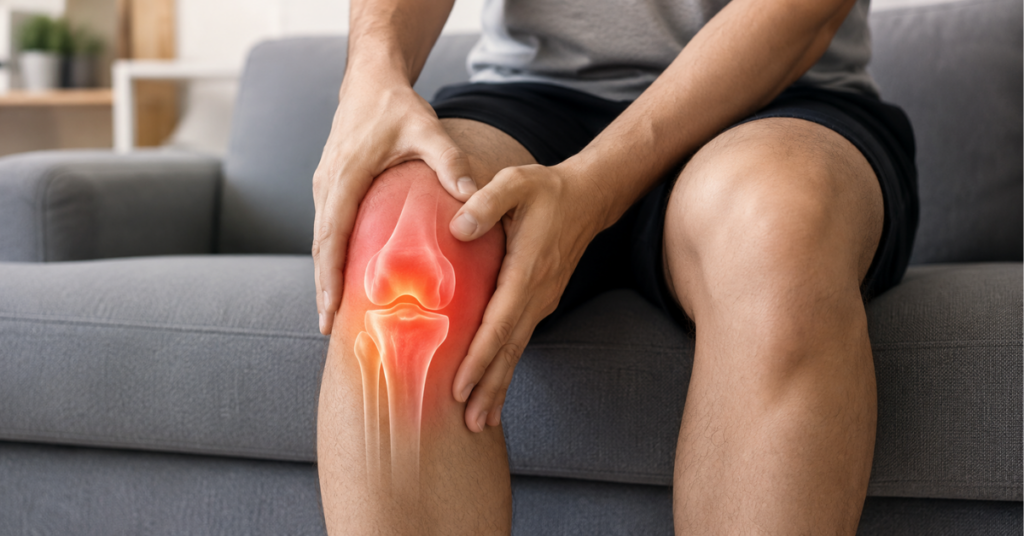
There are a number of reasons why one knee hurts more than the other. An old injury, uneven joint wear, repeated strain or differences in the way you walk can place more stress on one side. The pattern of pain may provide clues, but an examination is required to pinpoint the exact cause.
Past Knee Injury Common Causes Of Knee Pain On One Side
A previous sprain, fracture, ligament injury or cartilage damage can make one knee more vulnerable. Changes in movement following an injury can also increase loading on that joint.
Osteoarthritis Or Cartilage Wear
Osteoarthritis is a slow disease that affects the knee joint. It can be worse in one knee than the other, particularly if there has been a previous injury or more strain on one side. You may feel pain when you are walking, climbing stairs, or standing.
Meniscus Or Ligament Issues
The meniscus absorbs shock for the bones in the knee. A tear can hurt, be swollen, catch or make it tough to move. Ligament problems can result in pain and a sense of instability.
Muscle Imbalance And Overuse
Running, squatting, stair climbing or sports can place repetitive loading on one knee. Weak or imbalanced muscles of the thigh and hip can also change how forces are distributed through the joint.
Bad Gait, Bursitis Or Tendon Inflammation
An uneven gait can cause more stress on one side. A particular area may hurt because of bursitis or tendon inflammation, often after repetitive activity.
Anxiety Over Weight
The heavier you are, the more stress you put on your knees when you move. More mechanical stress can be put on the knees with heavier weight but it can happen at any size.
When To See A Doctor?
Seek medical attention if pain continues, gets worse, comes back often, or makes it hard to do your daily tasks. Assessment is particularly important if you have had an injury or if you have major swelling, inability to bear weight, instability, or a hot, swollen knee with fever.
How Is The Cause Identified?
They would review your history and do a physical examination, normally by your doctor. They would check your movement, tenderness, swelling, strength and stability. Depending on the findings, an X-ray, ultrasound, MRI or blood test may be required.
Treatment Of One-Sided Knee Pain
Treatment depends on the cause of the problem. These include adapting activities, physiotherapy, exercises, weight management, appropriate pain relieving medicines or supportive measures. Some injuries or advanced joint problems might require injections or surgery.
If one knee is hurting more than the other, it’s important to find out why before you decide what treatment to do. An orthopaedic assessment can help those with knee pain treatment in indore determine whether the symptoms are due to injury, joint wear, soft-tissue inflammation, or something else.
FAQs
Is it common to have pain in only one knee?
Yes. Old injury, uneven wear on joint, over use or difference in movement can cause one sided pain. If the symptoms persist an assessment should be made.
Can walking make one knee hurt?
Yeah. The pain in one side is due to a changed gait, muscle weakness, joint wear or some other underlying issue.
Am I okay to exercise with knee pain?
It is contingent upon what it is and how bad it is. Don’t do anything that makes the pain worse, and if you still have symptoms, see a professional for the right exercises.
Can mild knee pain go away on its own?
Pain from a temporary over use may get better with rest and activity changes. Any persistent or recurrent pain should be investigated.
When should knee pain be a concern?
Get medical help immediately if you have a serious injury, cannot put weight on the injured leg, or if the knee is very swollen, hot and painful, especially if you have a fever.