
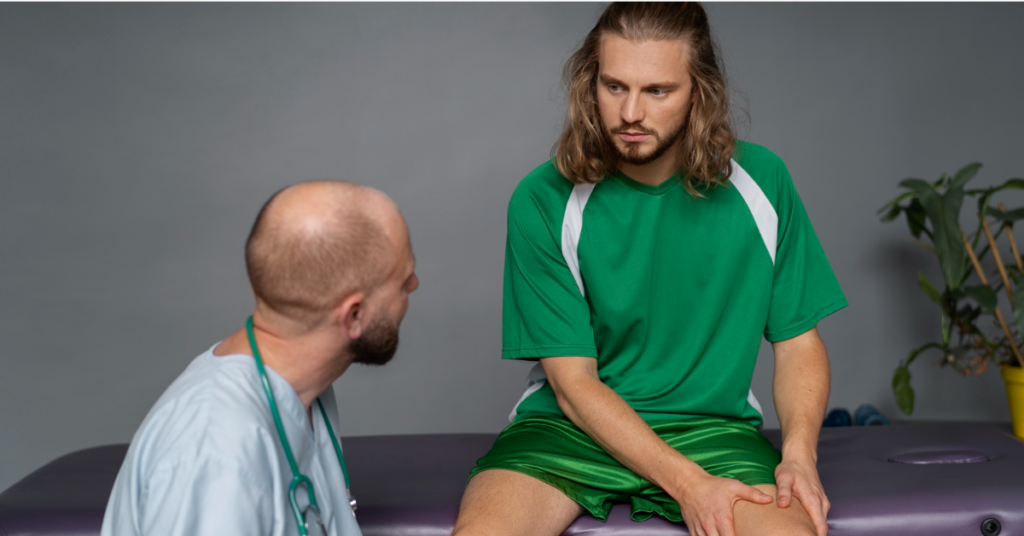
Kneeling is often a concern after knee replacement. A lot of patients wonder whether they’ll be able to kneel for everyday activities such as prayer, gardening or housework. The short answer is that it may be possible to kneel after healing, depending on the individual and their comfort level.
Knee Replacement And Kneeling – Is It Possible?
Yes, some people are able to kneel after knee replacement, but it can be uncomfortable or difficult for others. Kneeling itself does not automatically mean the implant is being damaged. You may, however, notice that the front of the knee still feels different after surgery.
This can cause pressure, numbness, tightness or discomfort when patients weight bear directly on the operated knee. You may have these feelings even if your knee replacement is doing well.
How Recovery Influences Kneeling
After knee replacement, recovery involves healing, increasing flexibility, regaining strength and returning to activities gradually. In the early stages, it can be difficult to kneel due to swelling and stiffness.
Some patients may gradually become more comfortable with kneeling as knee flexibility and strength improve with rehabilitation. Recovery, however, is individual and there is not a time when everyone should begin to kneel.
Your orthopedic surgeon and rehabilitation team can help you decide when and how to return to activities based on your recovery.
Why Is Kneeling Sometimes Awkward?
After surgery, the front of the knee may be tender, as tissues surrounding the surgical area need some time to heal. Some patients also have altered sensation or tenderness around the scar.
Comfort can also be affected by limited flexibility, muscle weakness, swelling, and fear of putting pressure on the knee. Note that experiencing discomfort while kneeling does not necessarily mean that the implant is loose or failing.
How To Kneel Safer
When your orthopedic surgeon tells you it is alright to do so, start out slowly, rather than suddenly putting full weight on the operated knee. Use a soft padded surface and, if possible, use a stable object for balance.
You can also begin by kneeling for a short time, but stop if you feel a lot of pain. Don’t push the knee into a painful or too-tight position. Keep yourself flexible and strong by continuing to do the exercises your rehab team recommends.
When Not To Take A Knee
Avoid kneeling if advised by your surgeon or physiotherapist, especially in the early recovery period. If you experience significant or increasing pain, swelling, instability, or other unusual symptoms while you are kneeling, you should stop as well.
If you are still feeling uncomfortable or unsure if your knee is ready to kneel, speak with your orthopedic surgeon instead of trying to push through the discomfort.
A safe return to everyday activities may be supported by an experienced orthopedic team and a proper rehabilitation plan. Considering knee replacement surgery in indore? Talk to your orthopedic surgeon about your anticipated activities, your recovery goals and concerns about kneeling before and after surgery.
FAQs
1. Can all people kneel after knee replacement?
No, the ability to kneel differs from patient to patient and may be based on flexibility, strength, healing, and individual comfort.
2. Will kneeling harm a knee replacement implant?
Kneeling does not necessarily damage a knee replacement. However, patients should follow their surgeon’s recommendations on activities and avoid painful or excessive pressure.
3. Why does my knee feel weird when I kneel on it?
The surgical site may be sensitive, numb, tight or tender. Even if the replacement is working properly, you may still feel these sensations.
4. Do I need a cushion to kneel on?
Kneeling on a soft cushion or padded surface can help cushion the direct pressure on the front of the knee.
5. If kneeling is painful, what then?
Stop the activity and do not force the motion. If the pain continues, worsens or is associated with swelling or instability, contact your orthopedic surgeon for evaluation.