
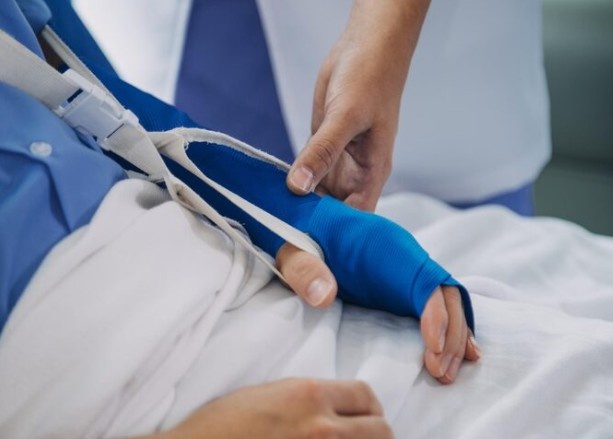
A fracture can affect your ability to walk, work, exercise, and perform everyday activities. While some fractures heal with rest, casting, or bracing, others require surgical treatment for proper alignment and stability. Fracture Surgery in Indore includes several advanced procedures designed to repair broken bones and restore normal movement. The right treatment depends on the location, severity, and type of fracture.
An orthopaedic specialist carefully evaluates the injury using physical examination and imaging tests such as X-rays or CT scans. Based on these findings, the surgeon recommends the most suitable surgical approach.
When Is Fracture Surgery Required?
Not every fracture requires surgery. Simple and stable fractures may heal successfully with immobilisation. However, surgery may be recommended when the bone is significantly displaced, unstable, or broken into multiple pieces.
Common situations where Fracture Surgery in Indore may be considered include:
- Displaced or unstable fractures
- Open fractures where the bone has damaged the skin
- Fractures involving a joint
- Multiple bone fragments
- Fractures that fail to heal properly
- Certain fractures of the hip, knee, ankle, wrist, or shoulder
- Injuries involving significant soft-tissue damage
The main goal is to restore the bone’s alignment and provide enough stability for proper healing.
Different Types of Fracture Surgery in Indore
There are several surgical techniques used to treat fractures. The choice depends on the bone involved and the nature of the injury.
1. Plate and Screw Fixation
Plate and screw fixation is one of the commonly used methods for treating fractures. In this procedure, the surgeon places a specially designed metal plate along the fractured bone. Screws hold the plate and bone securely in position.
This method can provide strong stability and help maintain proper alignment during healing. It is often used for fractures around the wrist, ankle, arm, shoulder, and other areas where precise positioning is important.
2. Intramedullary Nailing
Intramedullary nailing involves placing a metal rod inside the central canal of a long bone. The nail is secured with screws to prevent unwanted movement.
This technique is commonly used for fractures of long bones such as the femur and tibia. It can provide strong internal support while allowing the patient to begin controlled movement as advised by the surgeon.
3. External Fixation
External fixation may be used for complex fractures, particularly when there is extensive swelling, soft-tissue injury, or an open wound. In this technique, pins or wires are placed into the bone and connected to a frame outside the body.
The external frame stabilises the fractured bone while allowing doctors to manage the surrounding soft tissues. In some complex injuries, external fixation may be used as a temporary treatment before another surgical procedure.
4. Closed Reduction and Internal Fixation
In some fractures, the surgeon may first restore the bone’s position and then stabilise it internally. This is known as reduction and internal fixation.
Depending on the fracture, plates, screws, wires, or other fixation devices may be used. The objective is to restore the natural alignment of the bone and maintain stability during healing.
5. Joint Replacement for Certain Fractures
Some fractures, especially severe fractures around the hip or other joints, can damage the joint surface or blood supply to the bone. In selected cases, joint replacement may be considered instead of traditional fracture fixation.
For example, certain complex hip fractures in older adults may require partial or total hip replacement. The decision depends on the patient’s age, activity level, bone quality, fracture pattern, and overall health.
How Is the Right Fracture Surgery Selected?
Choosing the correct procedure is not the same for every patient. An orthopaedic surgeon considers several factors before recommending Fracture Surgery in Indore.
These factors may include:
- Location and type of fracture
- Degree of bone displacement
- Number of bone fragments
- Age and activity level
- Bone strength and overall health
- Damage to nearby muscles, nerves, or blood vessels
- Whether the fracture involves a joint
- Previous injuries or surgeries
Imaging plays an important role in this decision. X-rays usually provide the initial assessment, while CT scans may be advised for complicated fractures or injuries involving a joint.
What Happens After Fracture Surgery?
Surgery is only one part of fracture treatment. Recovery also depends on proper post-operative care.
Your orthopaedic specialist may recommend:
- Medication to manage pain and swelling
- Wound and dressing care
- Keeping the operated limb elevated when advised
- Gradual weight-bearing
- Physiotherapy and rehabilitation
- Follow-up X-rays to monitor bone healing
- Exercises to restore strength and joint movement
Following the rehabilitation plan can help improve mobility and reduce the risk of stiffness and weakness.
Benefits of Timely Fracture Treatment
Timely treatment can help restore bone alignment and reduce the risk of long-term problems. Appropriate fracture management may also support better movement and functional recovery.
Depending on the injury, successful treatment can help patients gradually return to walking, working, sports, and other daily activities.
However, recovery time varies. Some fractures may heal within a few weeks, while complex injuries can take several months. Factors such as age, bone health, fracture severity, smoking, nutrition, and adherence to rehabilitation can influence recovery.
Choosing the Right Orthopaedic Specialist
If you have suffered a serious fracture, choosing an experienced orthopaedic specialist is an important step. A proper evaluation helps determine whether non-surgical treatment or Fracture Surgery in Indore is more appropriate.
The treatment plan should be based on your individual fracture pattern rather than a one-size-fits-all approach. Ask your doctor about the recommended procedure, expected recovery time, weight-bearing restrictions, rehabilitation, and possible risks.
Conclusion
Fractures can range from simple cracks to complex injuries involving multiple bone fragments and joints. Fortunately, modern orthopaedic treatment offers several surgical options, including plate and screw fixation, intramedullary nailing, external fixation, internal fixation, and joint replacement for selected cases.
The most suitable Fracture Surgery in Indore depends on the fracture type, location, severity, bone quality, and the patient’s overall health. Early assessment by an experienced orthopaedic specialist can help establish an appropriate treatment and rehabilitation plan.
If you have sustained a fracture, do not delay professional evaluation. Proper diagnosis and timely treatment can support bone healing, restore mobility, and help you return to your daily activities safely.
For More Information, Visit Now: https://share.google/7Gu44TxWRlP5NoXA4