Ligament injuries can make even simple daily activities difficult. Whether the injury occurs while playing sports, exercising, or due to an accident, timely treatment is essential for restoring normal knee function. Many patients considering ligament surgery in Indore often ask one important question: How long will recovery take? The answer depends on several factors, including the severity of the injury, the surgical technique used, and the patient’s commitment to rehabilitation. If you are planning to undergo ligament surgery in Indore, understanding the recovery process can help you set realistic expectations and achieve better results.
Understanding Ligament Surgery
Ligaments are strong bands of connective tissue that stabilize joints by connecting bones. The knee contains several important ligaments, including the Anterior Cruciate Ligament (ACL), Posterior Cruciate Ligament (PCL), Medial Collateral Ligament (MCL), and Lateral Collateral Ligament (LCL).
When these ligaments are torn or severely damaged, surgery may be recommended, especially for active individuals or athletes who wish to regain full mobility and stability. Modern ligament surgery in Indore uses advanced arthroscopic techniques that involve small incisions, resulting in less pain, minimal scarring, and quicker recovery compared to traditional surgery.
Factors That Affect Recovery Time
Recovery after ligament surgery is not the same for everyone. Several factors influence how quickly a patient returns to normal activities.
Type of Ligament Injury
Recovery depends on which ligament has been injured and the extent of the damage. For example, ACL reconstruction generally requires more rehabilitation than minor ligament repairs.
Patient’s Age and Health
Younger patients with good overall health often recover faster. However, older individuals can also achieve excellent outcomes by following their rehabilitation program consistently.
Surgical Technique
Modern arthroscopic procedures performed during ligament surgery in Indore reduce tissue damage and promote faster healing compared to open surgery.
Commitment to Physiotherapy
Rehabilitation is one of the most important aspects of recovery. Patients who attend physiotherapy regularly and perform prescribed exercises usually regain strength and flexibility more efficiently.
Recovery Timeline After Ligament Surgery
Although every patient heals differently, the following timeline provides a general overview of the recovery process.
First Week After Surgery
The first few days focus on reducing pain and swelling.
Patients are generally advised to:
- Keep the leg elevated.
- Apply ice packs regularly.
- Take prescribed medications.
- Begin gentle range-of-motion exercises.
- Use crutches if recommended.
Walking may be limited during this period, depending on the type of surgery performed.
Weeks Two to Six
This phase focuses on improving movement and gradually restoring strength.
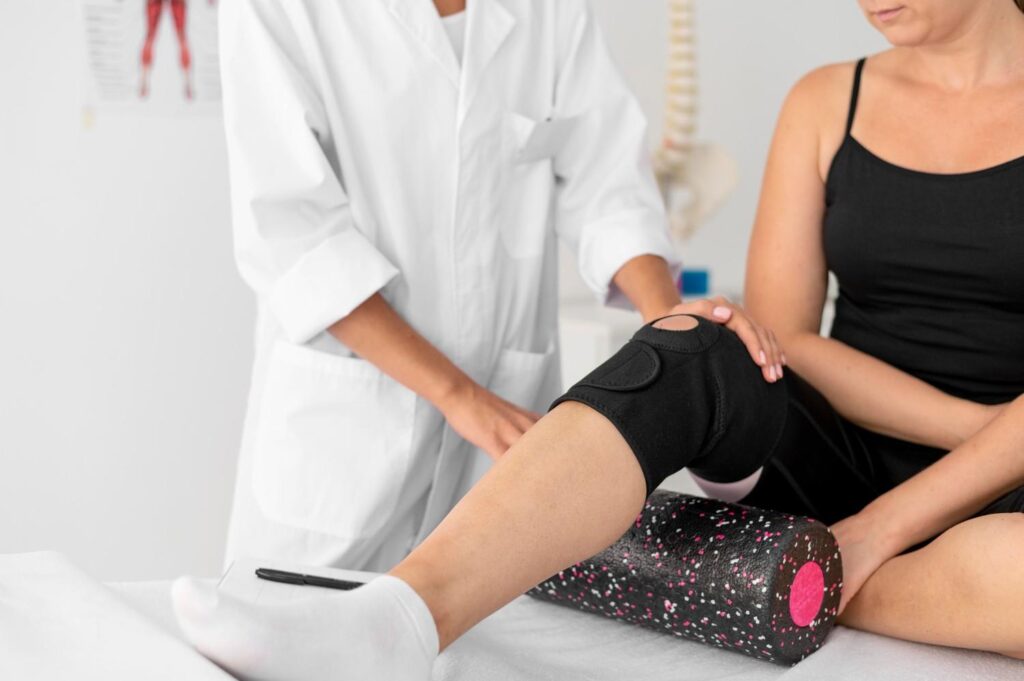
Most patients begin supervised physiotherapy, which includes:
- Knee bending and straightening exercises
- Muscle strengthening
- Balance training
- Controlled weight-bearing
Swelling continues to decrease, and many patients become more comfortable performing routine household activities.
Six to Twelve Weeks
During this stage, patients experience noticeable improvements in knee stability and mobility.
Rehabilitation may include:
- Cycling
- Swimming
- Resistance exercises
- Advanced strengthening programs
- Functional movement training
Individuals with desk jobs often return to work within this period, depending on their comfort level.
Three to Six Months
This is when significant functional recovery occurs.
Most patients can:
- Walk comfortably without support
- Climb stairs easily
- Drive safely after medical clearance
- Resume light recreational activities
Those undergoing ligament surgery in Indore are encouraged to continue strengthening exercises to protect the reconstructed ligament.
Six to Twelve Months
Complete recovery may take six to twelve months, particularly for athletes or physically demanding occupations.
Patients gradually return to:
- Running
- Jumping
- Pivoting movements
- Competitive sports
Returning too early may increase the risk of reinjury, so medical clearance is essential.
Importance of Physiotherapy
Successful recovery depends on more than surgery alone. Physiotherapy plays a major role in restoring knee function.
Benefits include:
- Improved joint flexibility
- Stronger muscles around the knee
- Better balance and coordination
- Reduced stiffness
- Lower risk of future injuries
Skipping rehabilitation sessions can delay healing and affect long-term results.
Tips for Faster Recovery
Patients can support healing by following these recommendations.
Follow Medical Instructions
Always take medications as prescribed and attend scheduled follow-up appointments.
Perform Exercises Regularly
Home exercises complement physiotherapy sessions and help maintain progress between appointments.
Maintain a Healthy Diet
A balanced diet rich in protein, vitamins, calcium, and minerals supports tissue repair and muscle recovery.
Avoid High-Impact Activities
Running, jumping, or heavy lifting should only begin after your orthopaedic surgeon confirms that your knee has healed sufficiently.
Stay Positive and Patient
Recovery is gradual. Consistency and patience often lead to the best long-term outcomes.
Signs of Healthy Recovery
Most patients notice steady improvements over time.
Positive signs include:
- Reduced pain
- Improved knee movement
- Better walking ability
- Increased muscle strength
- Greater confidence during daily activities
Regular follow-up visits allow your surgeon to monitor healing and modify rehabilitation if necessary.
When to Contact Your Surgeon
Although complications are uncommon, seek medical attention if you experience:
- Persistent severe pain
- Excessive swelling
- Fever
- Redness around the incision
- Drainage from the surgical wound
- Difficulty moving the knee despite rehabilitation
Early evaluation helps prevent more serious complications.
Why Choose Dr. Aditya Lakhotia for Ligament Surgery?
Dr. Aditya Lakhotia is committed to providing advanced orthopaedic care with a patient-focused approach. From accurate diagnosis to personalized rehabilitation plans, every stage of treatment is carefully managed to help patients regain mobility and return to an active lifestyle.
Patients undergoing ligament surgery in Indore under the guidance of Dr. Aditya Lakhotia benefit from modern surgical techniques, comprehensive post-operative care, and individualized rehabilitation programs designed for long-term knee health.
Conclusion
Recovery after ligament surgery in Indore is a gradual journey that requires expert surgical care, structured rehabilitation, and patient commitment. While many individuals return to normal daily activities within a few months, complete recovery may take six to twelve months depending on the severity of the injury and rehabilitation progress.
Choosing an experienced orthopaedic surgeon like Dr. Aditya Lakhotia can significantly improve treatment outcomes. By following medical advice, attending physiotherapy sessions, maintaining a healthy lifestyle, and remaining consistent throughout the recovery process, patients can regain strength, stability, and confidence in their knee while returning safely to the activities they enjoy.
For More Information, Visit Now: https://share.google/7Gu44TxWRlP5NoXA4